How Clothing Factories Prevent Defects During Production
Defects are one of the biggest concerns for apparel brands when working with clothing manufacturers.
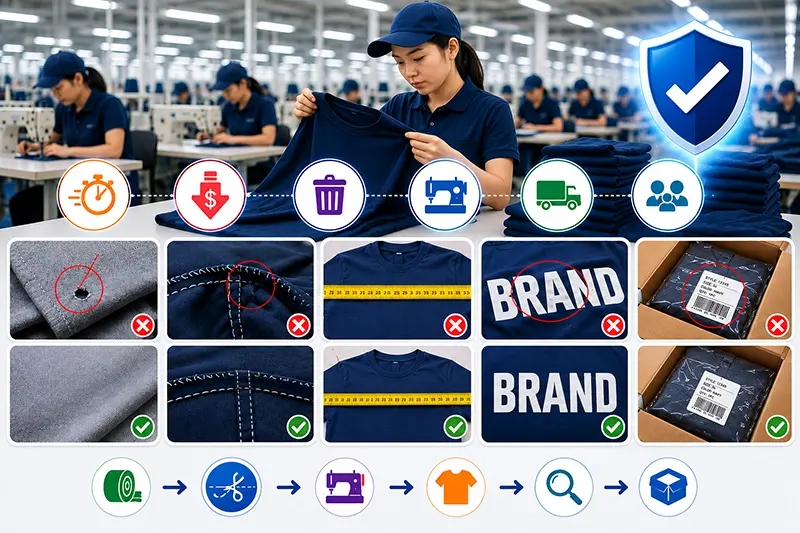
Issues such as fabric flaws, stitching problems, print misalignment, incorrect measurements, and labeling errors can increase costs, delay product launches, and negatively impact customer satisfaction.
The good news is that most garment defects can be prevented when manufacturers implement quality control procedures throughout production.
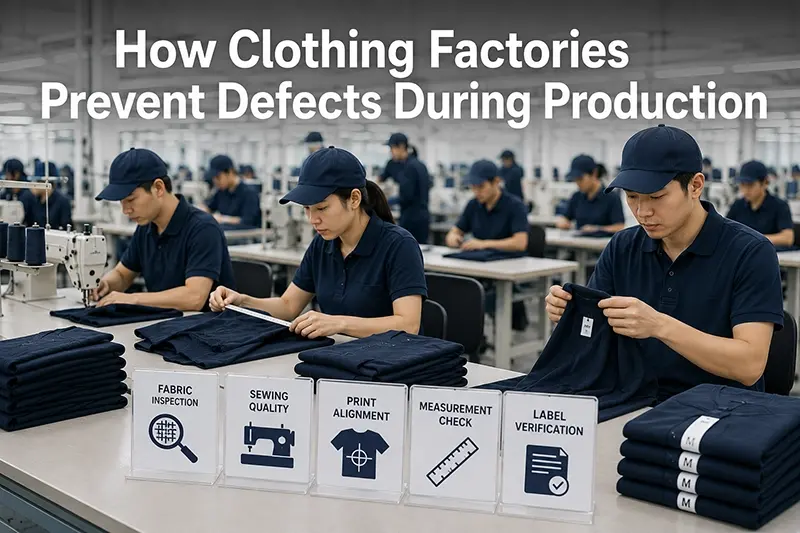
At OEM Fashion, defect prevention begins long before products reach final inspection. Through structured quality control processes, production monitoring, and continuous inspections, potential issues can be identified and corrected before they affect large quantities of garments.
Why Defect Prevention Is Important in Apparel Manufacturing
Preventing defects is significantly more effective than correcting them after production is completed.
When problems are discovered too late, manufacturers often face:
- Production delays
- Additional labor costs
- Material waste
- Rework expenses
- Shipment delays
- Customer complaints
A proactive quality management system helps reduce these risks while improving overall production efficiency.
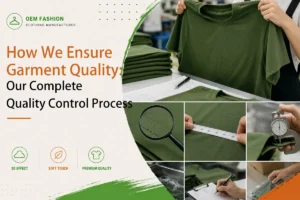
For a complete overview of our quality management process, see How We Ensure Garment Quality.
Common Garment Defects in Apparel Production
Garment defects can occur at multiple stages of manufacturing.
Some of the most common issues include:
Fabric Defects
- Fabric holes
- Stains
- Color inconsistencies
- Dyeing defects
- Weaving faults
Construction Defects
- Open seams
- Uneven stitching
- Loose threads
- Incorrect seam alignment
- Twisted garments
Measurement Defects
- Incorrect garment dimensions
- Size inconsistencies
- Sleeve length variations
- Fit discrepancies
Decoration Defects
- Print misalignment
- Color variation
- Poor ink coverage
- Embroidery positioning errors
Packaging Defects
- Incorrect labels
- Wrong size stickers
- Carton labeling errors
- Missing accessories
The earlier these issues are identified, the easier they are to correct.
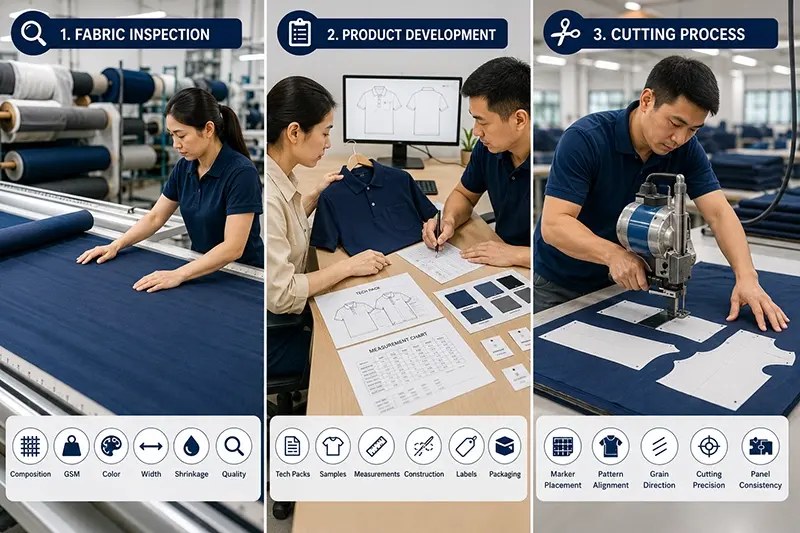
Preventing Defects Through Fabric Inspection
Many production issues begin with poor-quality materials.
Before manufacturing starts, all incoming fabrics should undergo inspection to verify:
- Fabric composition
- Fabric weight (GSM)
- Color consistency
- Fabric width
- Shrinkage performance
- Surface quality
By identifying fabric problems before cutting begins, manufacturers can prevent defects from affecting the entire production run.
This process becomes especially important when developing custom materials through Fabric Customization.
Preventing Defects During Product Development
Quality control starts before production.
A significant number of manufacturing issues result from incomplete specifications, inaccurate measurements, or unclear technical requirements.
During Product Development, manufacturers should verify:
- Tech packs
- Approved samples
- Measurement charts
- Construction details
- Label placements
- Packaging instructions
Clear production requirements help eliminate misunderstandings and reduce the likelihood of manufacturing errors.
Preventing Defects During Cutting
Accurate cutting is essential for maintaining consistency throughout production.
Quality inspectors should verify:
- Marker placement
- Pattern alignment
- Fabric grain direction
- Cutting precision
- Panel consistency
Even small cutting mistakes can lead to measurement issues that affect every garment produced.
Monitoring this stage helps ensure all components are prepared correctly before sewing begins.
Preventing Defects During Sewing
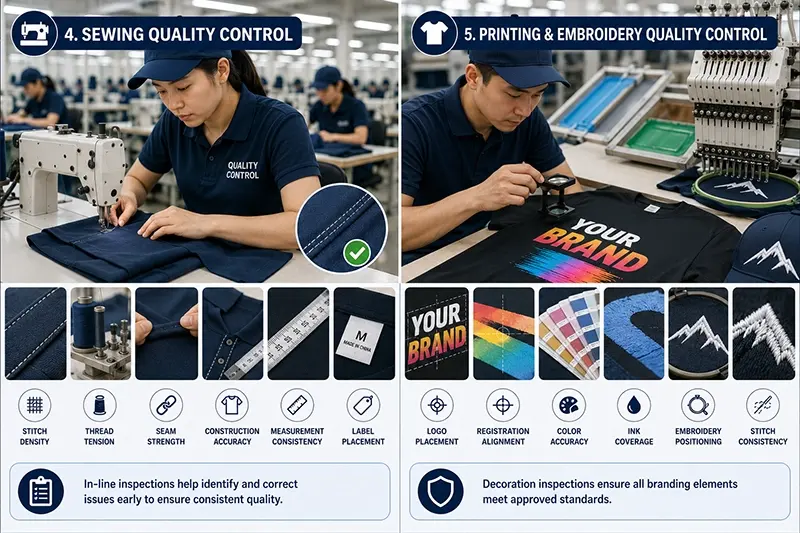
Sewing is one of the most critical stages of Apparel Manufacturing.
Because sewing involves multiple operators and production processes, continuous monitoring is required to maintain consistency.
Inspectors monitor:
- Stitch density
- Thread tension
- Seam strength
- Construction accuracy
- Measurement consistency
- Label placement
Rather than waiting until production is complete, in-line inspections allow production teams to identify and correct problems immediately.
This is particularly important for products manufactured by a Custom T-Shirt Manufacturer, where large quantities require consistent quality across every piece.
Preventing Defects in Printing and Embroidery
Customized garments require additional quality control procedures.
Through Customized Craftsmanship, apparel brands can incorporate various decoration techniques, including screen printing, embroidery, puff printing, heat transfer graphics, and silicone applications.
Inspectors verify:
- Logo placement
- Registration alignment
- Color accuracy
- Ink coverage
- Embroidery positioning
- Stitch consistency
Decoration inspections help ensure all branding elements meet approved specifications before products move to final inspection.
Using In-Line Inspections to Reduce Defects
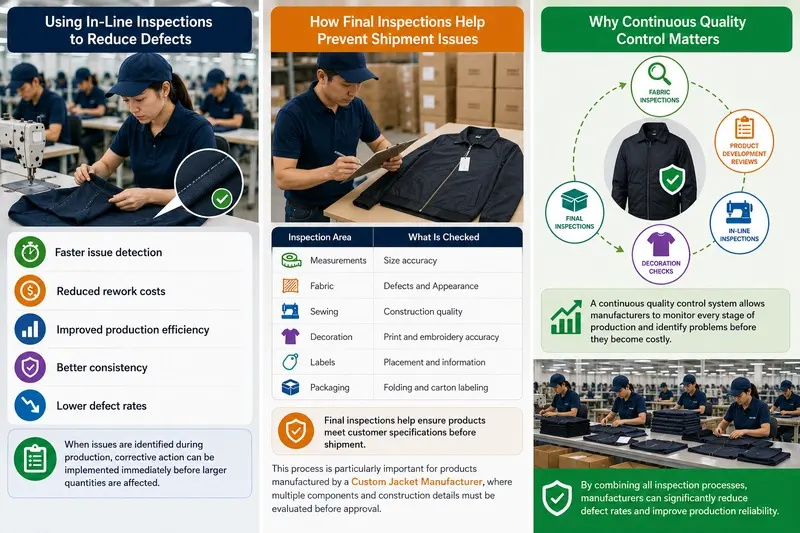
One of the most effective ways to prevent defects is through in-line inspections.
Unlike final inspections, in-line inspections take place while garments are being produced.
Benefits include:
- Faster issue detection
- Reduced rework costs
- Improved production efficiency
- Better consistency
- Lower defect rates
When issues are identified during production, corrective action can be implemented immediately before larger quantities are affected.
How Final Inspections Help Prevent Shipment Issues
Final inspections serve as the last quality checkpoint before products leave the factory.
Inspectors evaluate:
| Inspection Area | What Is Checked |
|---|---|
| Measurements | Size accuracy |
| Fabric | Defects and appearance |
| Sewing | Construction quality |
| Decoration | Print and embroidery accuracy |
| Labels | Placement and information |
| Packaging | Folding and carton labeling |
Final inspections help ensure products meet customer specifications before shipment.
This process is particularly important for products manufactured by a Custom Jacket Manufacturer, where multiple components and construction details must be evaluated before approval.
Why Continuous Quality Control Matters
Many apparel defects occur because inspections are delayed until production is complete.
A continuous quality control system allows manufacturers to monitor every stage of production and identify problems before they become costly.
By combining fabric inspections, product development reviews, in-line inspections, decoration checks, and final inspections, manufacturers can significantly reduce defect rates and improve production reliability.
Benefits of Defect Prevention for Apparel Brands
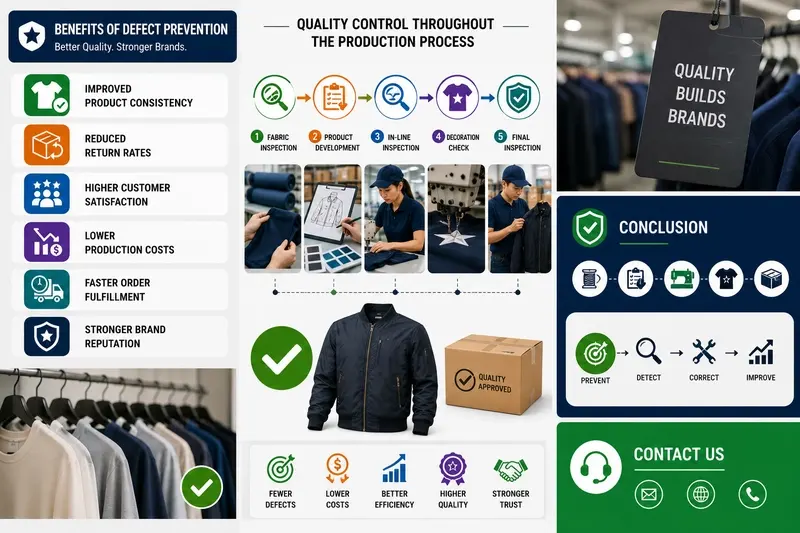
Reducing defects offers significant benefits for clothing brands.
These include:
- Improved product consistency
- Reduced return rates
- Higher customer satisfaction
- Lower production costs
- Faster order fulfillment
- Stronger brand reputation
For growing brands, defect prevention is one of the most effective ways to improve long-term product quality and customer trust.
Conclusion
Defect prevention is not a single inspection step—it is a continuous process that begins before production and continues until products are ready for shipment.
By implementing quality control procedures throughout manufacturing, apparel brands can reduce defects, improve consistency, and deliver better products to their customers.
Contact us today to learn how our quality control systems help ensure reliable apparel manufacturing and consistent production quality.
FAQs
What are the most common garment defects?
Common garment defects include fabric flaws, open seams, measurement inaccuracies, print misalignment, embroidery issues, and packaging errors.
How do clothing factories reduce production defects?
Factories reduce defects through fabric inspections, product development reviews, in-line inspections, decoration checks, and final quality inspections.
Why are in-line inspections important?
In-line inspections help identify issues during production, allowing corrective action before defects affect larger production quantities.
Can garment defects be eliminated?
While no manufacturing process can guarantee zero defects, a structured quality control system can significantly reduce defect rates and improve consistency.
How does defect prevention benefit apparel brands?
Defect prevention helps reduce returns, improve customer satisfaction, lower production costs, and strengthen brand reputation.
Share With
Related Articles



Hot Products