30 Types of Women’s Coats and Jackets:
Styles & Design Guide
Women’s outerwear includes tailored coats, relaxed silhouettes, weather-ready layers, and short fashion jackets. This guide covers 30 styles, with their defining features, common colors and fabrics, styling ideas, and design considerations for apparel brands.
For apparel brands, choosing a coat or jacket involves more than picking a silhouette. Fabric, fit, color, lining, closures, and intended use all shape the final product. At OEM Fashion, we work with brands developing custom clothing and outerwear for different collections and markets.
What Is the Difference Between a Coat and a Jacket?
Coats are generally longer and designed to layer over other clothing, while jackets are often shorter and lighter. The terms can overlap, so garment length, construction, and intended use can be more useful than the name alone.
The styles below are grouped by their overall look and purpose. Some describe a specific garment type; others can share features such as length, fit, or material.
Classic and Tailored Coat Styles
1. Trench Coat
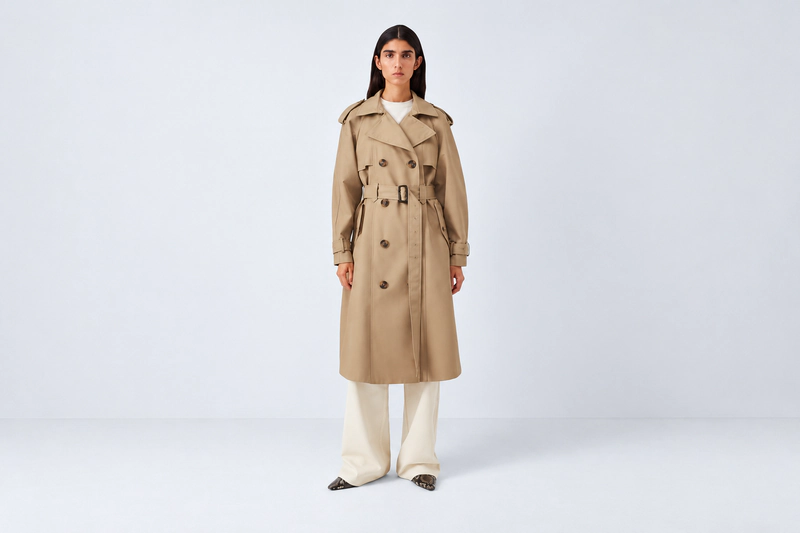
Background: The trench coat developed from practical outerwear for wet and windy conditions. The Victoria and Albert Museum describes its evolution from practical and military attire into a widely recognized fashion style in its history of the Burberry trench coat.
Design: A long silhouette, lapels, waist belt, and often a double-breasted front. Some designs include a storm flap, shoulder tabs, or adjustable cuffs.
Colors and fabrics: Beige, khaki, navy, and black are classic choices. Cotton gabardine and cotton blends create structure; lightweight technical fabrics suit weather-focused designs. Burberry’s trench coat heritage page explains the role of gabardine in its rainwear.
Styling and product development: Wear it over workwear, denim, knitwear, or a dress. For development, define the belt position, front overlap, sleeve details, lining, and fabric finish.
2. Wool Coat
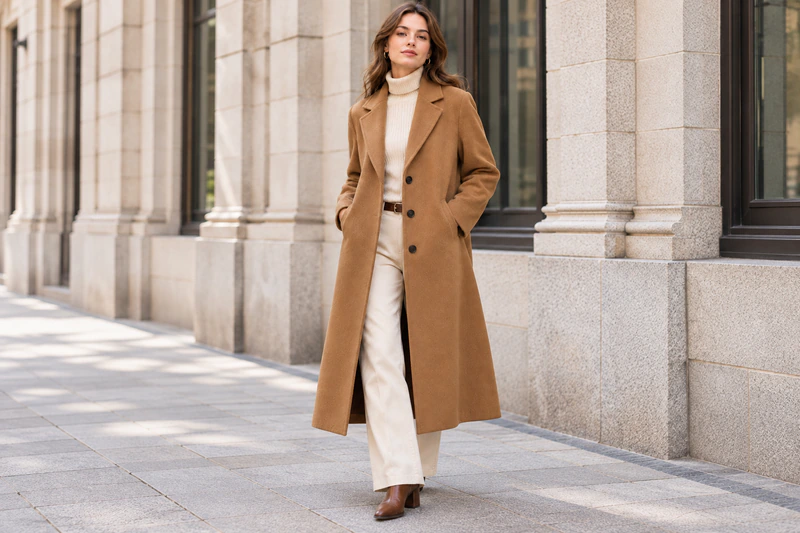
Design: “Wool coat” covers many silhouettes, including single-breasted, double-breasted, belted, and oversized designs.
Colors and fabrics: Camel, charcoal, black, navy, and cream are versatile. Wool and wool blends vary in weight, texture, warmth, and drape.
Styling and product development: A tailored wool coat works over office wear or dresses; a relaxed version layers well over knits and denim. Match the fabric weight and lining to the intended season and fit.
3. Pea Coat
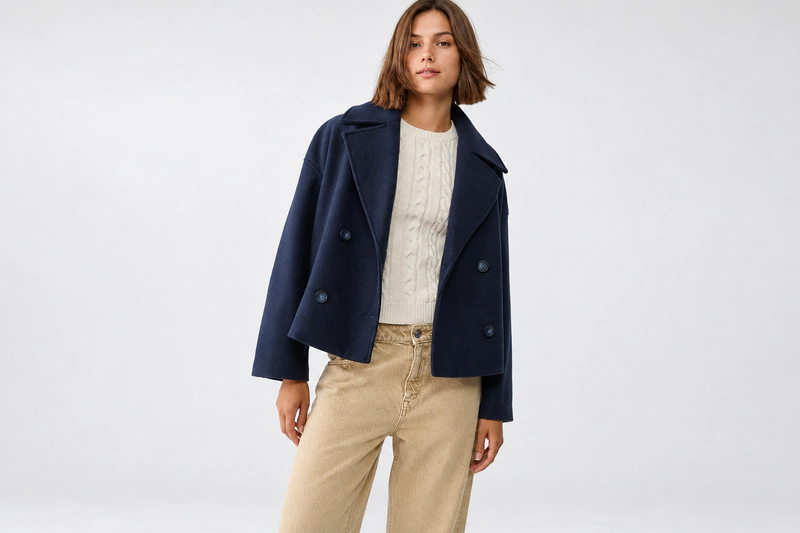
Background: The pea coat is associated with naval clothing, which informs its compact, structured look.
Design: Usually shorter than an overcoat, with a double-breasted front and broad lapels.
Colors and fabrics: Navy is the familiar choice; charcoal, camel, and seasonal colors offer alternatives. Dense wool or wool blends help hold the shape.
Styling and product development: Pair it with jeans and boots or layer it over tailored trousers. Button spacing, lapel scale, and body length shape its proportions.
4. Duffle Coat
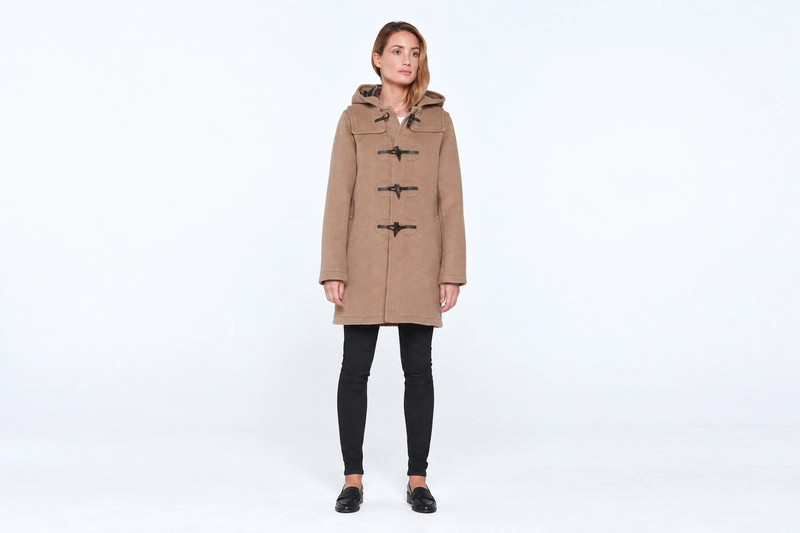
Background: The duffle coat grew from practical cold-weather outerwear and is known for its toggle closures and hood.
Design: Toggle fastenings, a hood, roomy pockets, and a relaxed silhouette are common features.
Colors and fabrics: Camel, navy, charcoal, and red are familiar options. Substantial wool and wool blends suit the traditional look.
Styling and product development: Wear it with chunky knits, denim, casual dresses, and boots. Plan the toggles, hood, pockets, and front overlap together, especially when using heavier fabric.
5. Overcoat
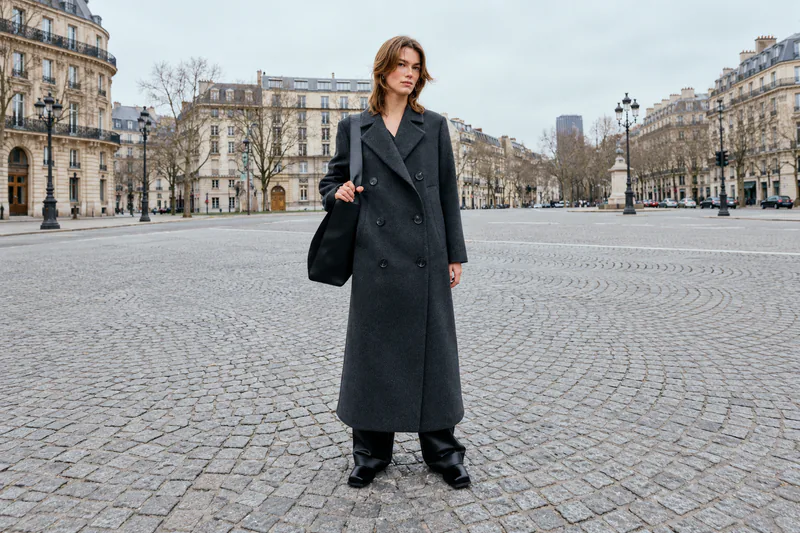
Design: An overcoat is made to be worn over other layers. It is often long and tailored, though contemporary versions may be looser and more casual.
Colors and fabrics: Navy, charcoal, camel, and black are versatile. Wool and wool blends provide structure, while softer blends create a more relaxed drape.
Styling and product development: Wear it over a suit, dress, or polished separates. Allow enough room through the shoulders, sleeves, and body for the intended layers.
6. Car Coat
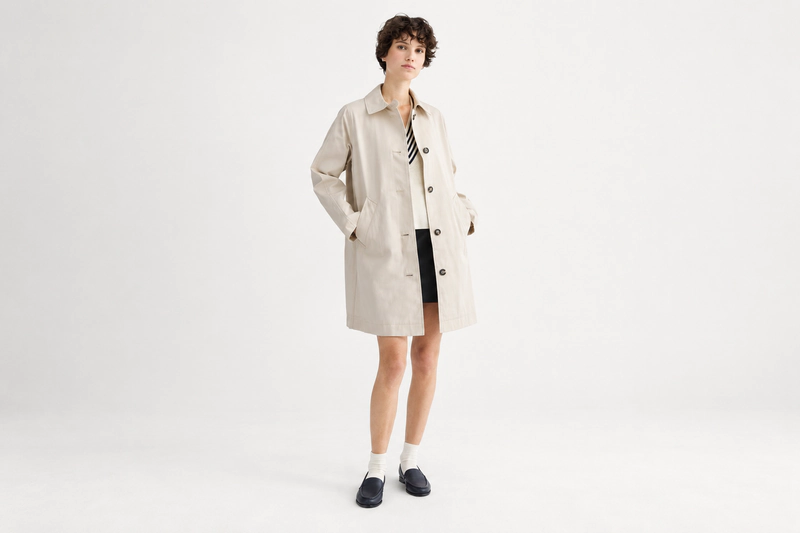
Background: The car coat is associated with practical outerwear designed for ease of movement while traveling.
Design: A clean shape and practical mid-length—often around the hip or mid-thigh—make it a versatile everyday style.
Colors and fabrics: Navy, olive, camel, and black suit its understated look. Wool blends feel polished; cotton twill and technical fabrics create a more casual finish.
Styling and product development: Wear it with trousers, denim, or simple dresses. Prioritize comfortable movement and functional pockets.
7. Chesterfield Coat
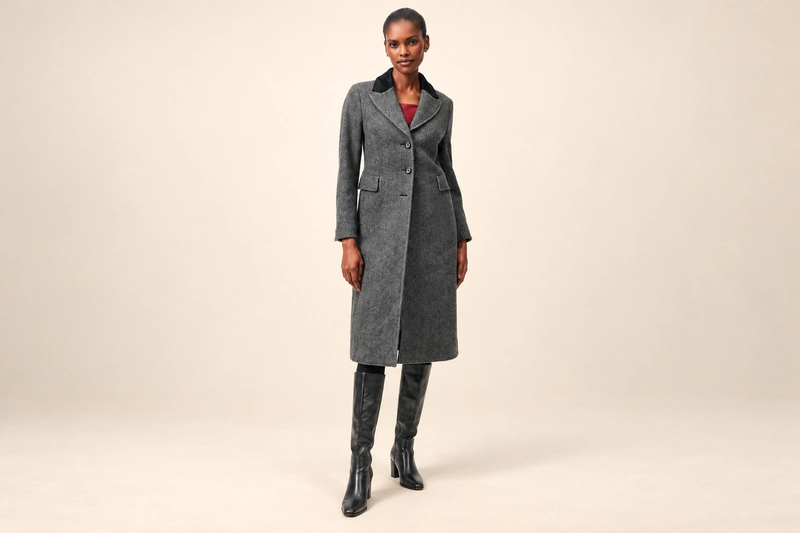
Design: A tailored overcoat with a formal, clean-lined appearance, often featuring classic lapels and a neat front.
Colors and fabrics: Charcoal, black, navy, and camel emphasize its traditional character. Wool and wool blends provide structure; softer blends feel less formal.
Styling and product development: Layer it over a suit, dress, or refined separates. Lapel shape, shoulder structure, and front closure help set the level of formality.
8. Greatcoat
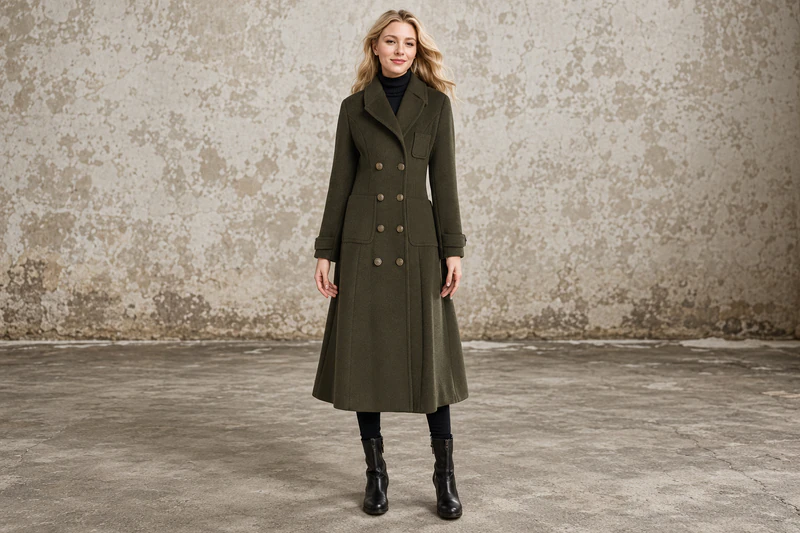
Background: The greatcoat has military associations and is known for its long, substantial appearance.
Design: A strong silhouette, long body, and defined collar are common. Some versions use a double-breasted front.
Colors and fabrics: Navy, charcoal, olive, and black suit its heritage look. Heavy wool supports a traditional silhouette; lighter blends reduce bulk.
Styling and product development: Wear it over simple layers so the coat remains the focus. Balance the fabric weight with the coat’s length and intended mobility.
9. Frock Coat
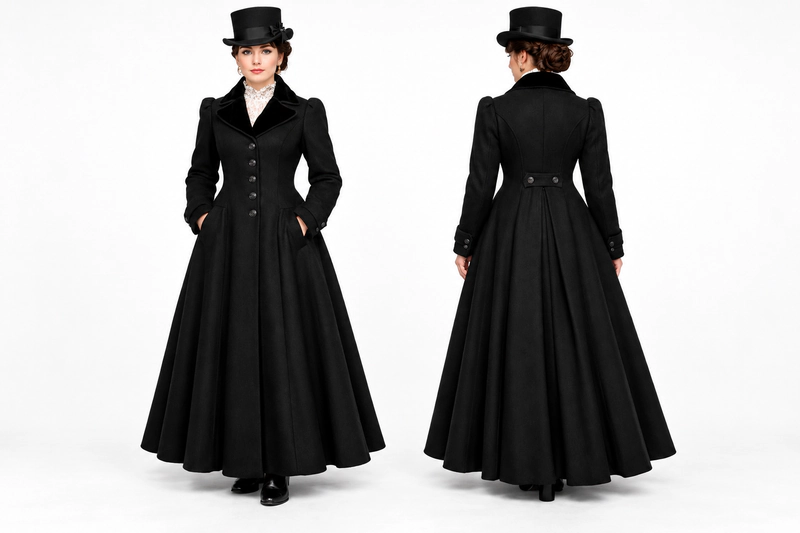
Design: A formal, longline style with a shaped body. Today, it is more often used as a fashion or occasionwear reference than as an everyday coat.
Colors and fabrics: Black, navy, and jewel tones create a dressier effect. Structured wool, velvet, and brocade can support the tailored shape.
Styling and product development: Pair a modern version with slim trousers, a long skirt, or a simple dress. Waist shaping and hem proportions are key design decisions.
10. Tailcoat
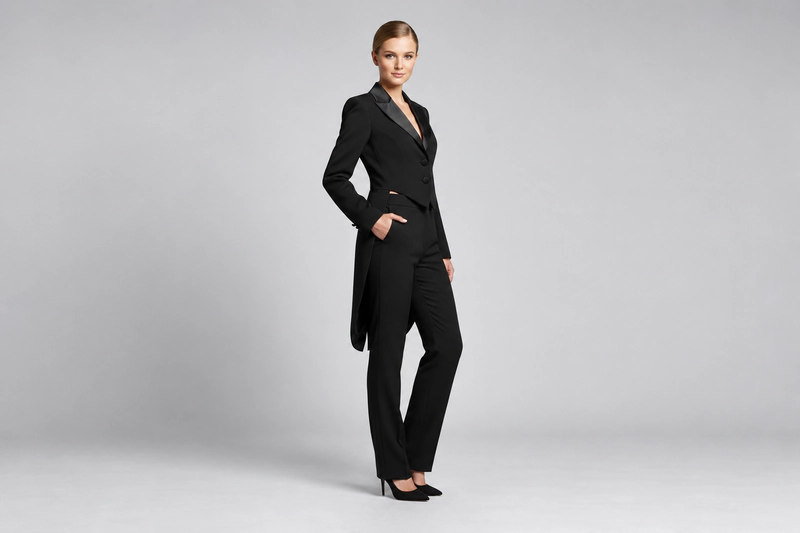
Background: The tailcoat comes from formal dress and is now mainly associated with ceremonial, occasion, or statement styling.
Design: A cutaway front and longer sections at the back give it a distinctive silhouette.
Colors and fabrics: Black and deep colors are traditional; fashion versions may use brighter shades or contrast details. Structured fabrics help the shape hold.
Styling and product development: Keep the rest of the outfit simple so the cut stands out. The front shape and back length need careful pattern development.
Relaxed and Statement-Making Coats
11. Wrap Coat
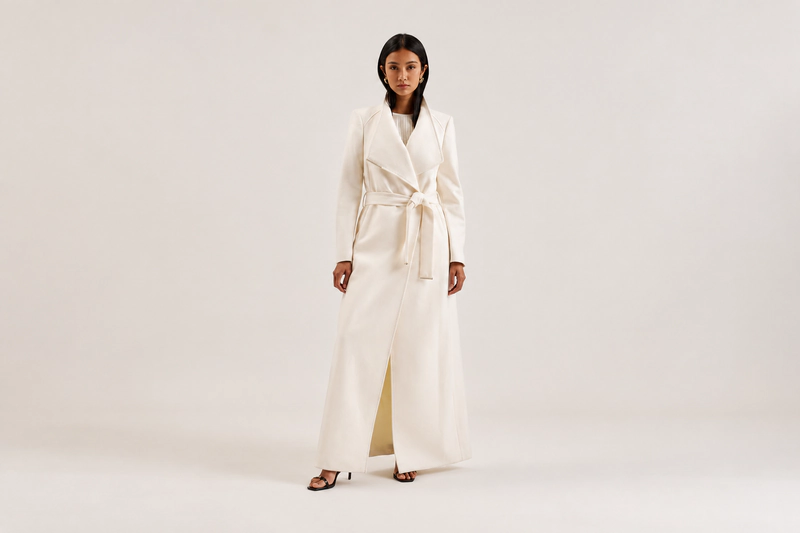
Design: Overlapping front panels are usually secured with a self-fabric belt, creating a soft, adjustable silhouette.
Colors and fabrics: Camel, cream, gray, and soft seasonal shades suit the style. Wool, wool blends, and double-face fabrics offer warmth and drape.
Styling and product development: Tie the belt for a defined waist or wear the coat open over dresses, knitwear, or casual separates. Check the overlap and belt placement over different layers.
12. Cocoon Coat
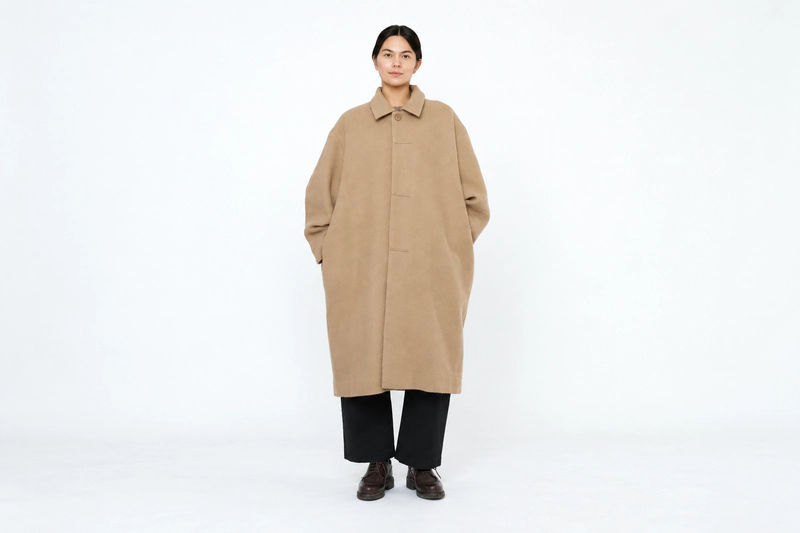
Design: A roomy, rounded silhouette that often narrows toward the hem gives the cocoon coat its relaxed shape.
Colors and fabrics: Neutrals let the silhouette stand out; bright colors make it a statement piece. Wool, boiled wool, and structured blends can help maintain volume.
Styling and product development: Balance the volume with straight-leg trousers, slim skirts, or simple dresses. Shoulder width, sleeve volume, and hem circumference should work together.
13. Cape Coat
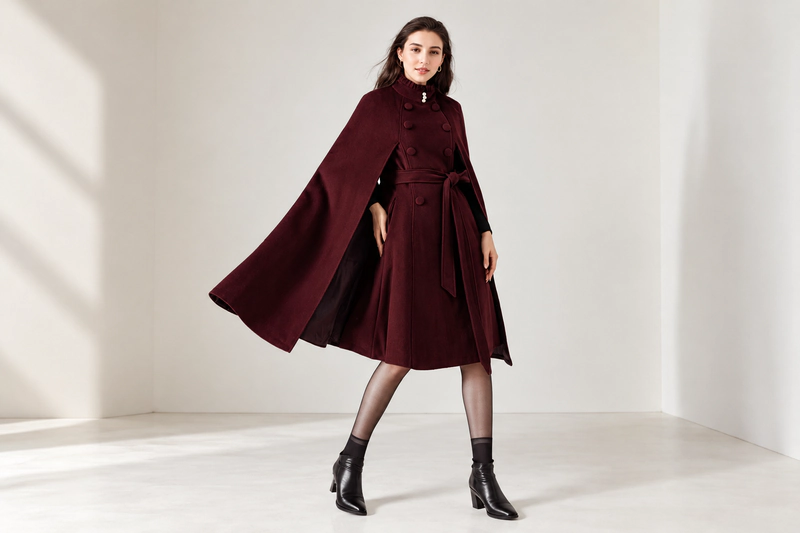
Design: A cape coat drapes from the shoulders and may include open or partially constructed arm openings.
Colors and fabrics: Black, camel, red, and patterned fabrics can suit the dramatic shape. Wool and felted fabrics create structure; lighter blends move more softly.
Styling and product development: Wear it over slim sleeves and simple outfits. Shoulder fit, arm access, and movement matter during development.
14. Duster Coat
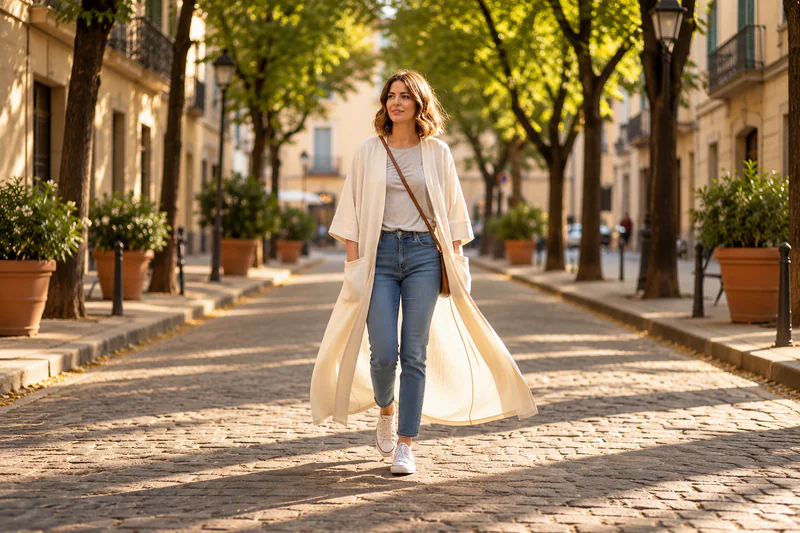
Design: A long, lightweight outer layer, usually with a relaxed shape and little structure.
Colors and fabrics: Neutrals make it easy to layer; prints and brighter shades make it more expressive. Cotton, linen blends, lightweight twill, and fluid synthetics create different effects.
Styling and product development: Wear it over a simple outfit, matching set, or dress. Fabric movement is especially noticeable in this long silhouette.
15. Coatee
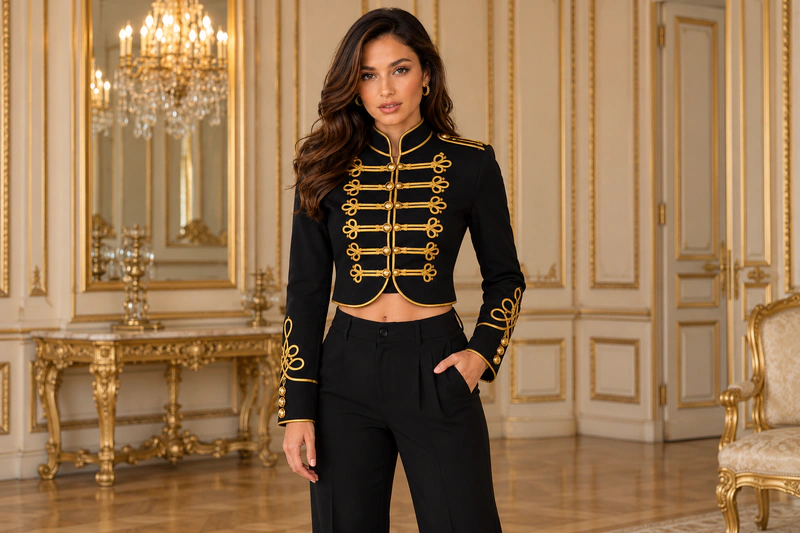
Design: A short coat, often with a defined shape or decorative details. Modern versions work as cropped fashion layers or occasionwear.
Colors and fabrics: Black, navy, red, and embellished shades suit different directions. Wool and structured blends feel tailored; velvet and brocade create a dressier look.
Styling and product development: Pair it with high-waisted trousers, a full skirt, or a dress. Check the hem position against the intended outfit.
Weather-Ready and Insulated Outerwear
16. Raincoat
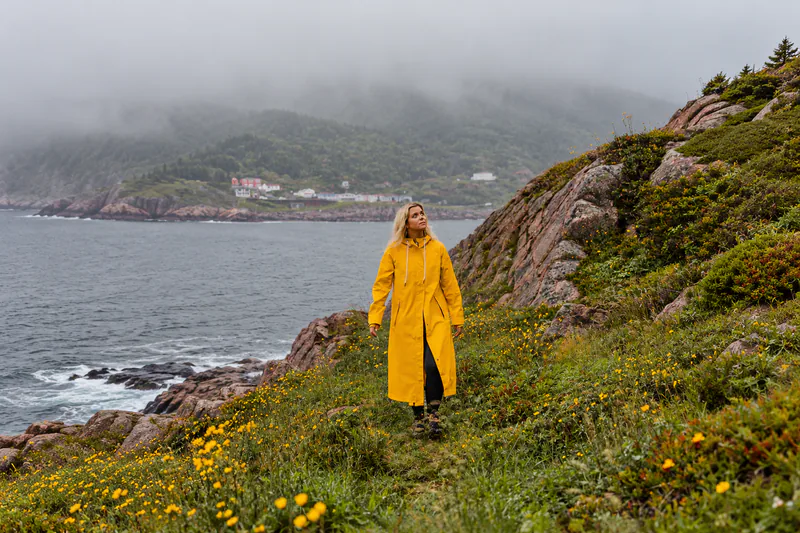
Design: A raincoat is designed for wet weather and may include a hood, covered closures, adjustable cuffs, or weather-resistant seams.
Colors and fabrics: Yellow, red, navy, olive, and neutrals are common. Coated cotton, treated cotton, nylon, and technical fabrics offer different weights and finishes.
Styling and product development: Wear it over everyday clothes or workwear as a protective layer. Define the intended weather performance, shell fabric, seams, hood, and closures.
17. Parka
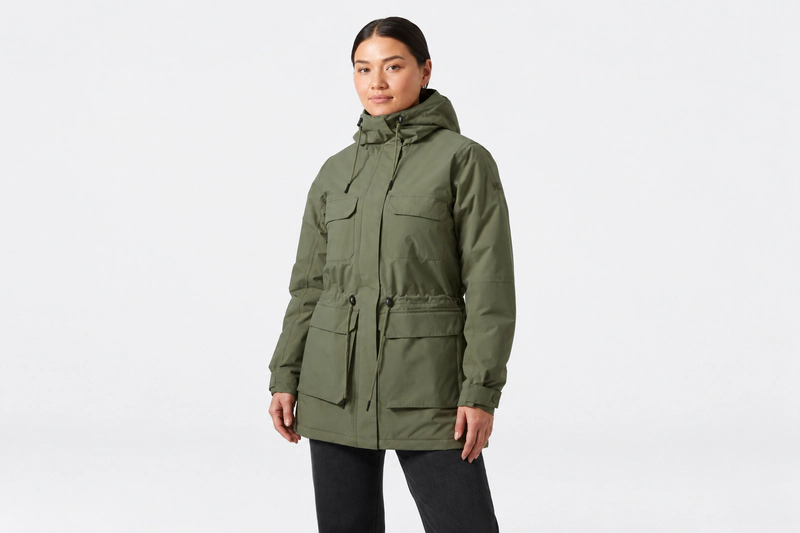
Background: The parka is associated with protective outerwear for cold conditions and has become a staple of casual and outdoor-inspired wardrobes.
Design: A casual coat, often longer than a jacket, with practical pockets and usually a hood. It may be unlined, lined, or insulated.
Colors and fabrics: Olive and navy have an outdoor feel; black, cream, and seasonal shades broaden the range. Cotton blends and technical shells suit different levels of protection.
Styling and product development: Wear it with denim, knitwear, casual trousers, or boots. Consider hood adjustment, pocket access, lining, and intended warmth.
18. Puffer Coat
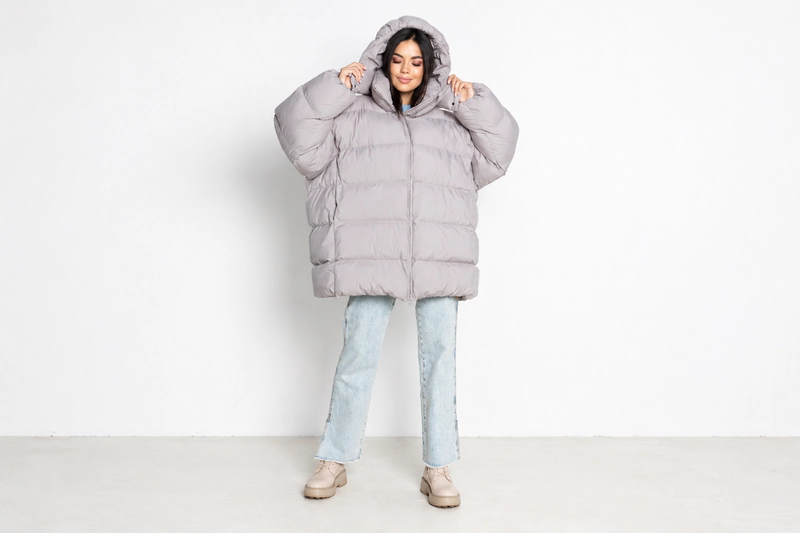
Design: Padded sections create the puffer coat’s recognizable volume. The style can be cropped, oversized, streamlined, or longline.
Colors and fabrics: Black, cream, metallics, bright colors, and tonal neutrals all work. Lightweight shells and technical fabrics can be paired with down or synthetic insulation.
Styling and product development: A short puffer pairs well with high-waisted bottoms; a long version offers more coverage. Baffle size, fill distribution, shell, and overall volume define the final look.
19. Down Coat
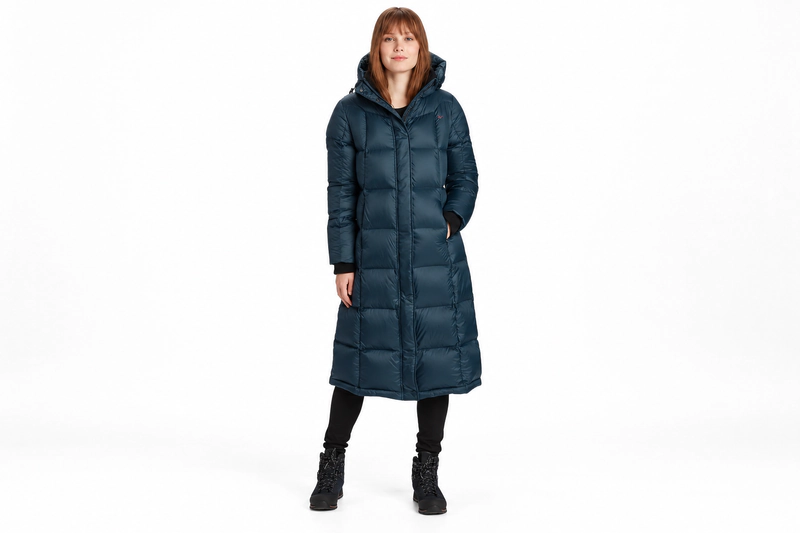
Design: A down coat uses down insulation and may have a sleek or voluminous shape. Quilting can be visible or concealed.
Colors and fabrics: Black, navy, and neutrals are versatile; brighter shades create a sportier feel. Downproof shells and suitable linings are common, with synthetic insulation as another option.
Styling and product development: Wear it with casual winter layers and weather-appropriate footwear. Specify the insulation, shell, lining, and care requirements clearly.
20. Quilted Coat
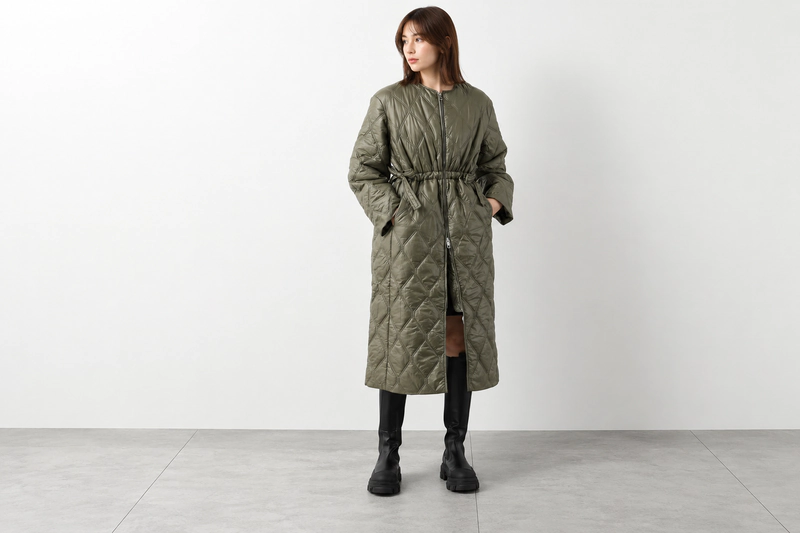
Design: Stitching holds layers of fabric or insulation in place. Depending on its construction, a quilted coat can be lightweight or warm.
Colors and fabrics: Olive, navy, black, and earthy colors suit classic versions; pastels and brights feel fresher. Cotton, nylon, and polyester shells can be paired with light padding or lining.
Styling and product development: Layer it over a sweater, shirt, or casual dress. Stitch pattern and spacing affect both appearance and how the padding sits.
21. Anorak
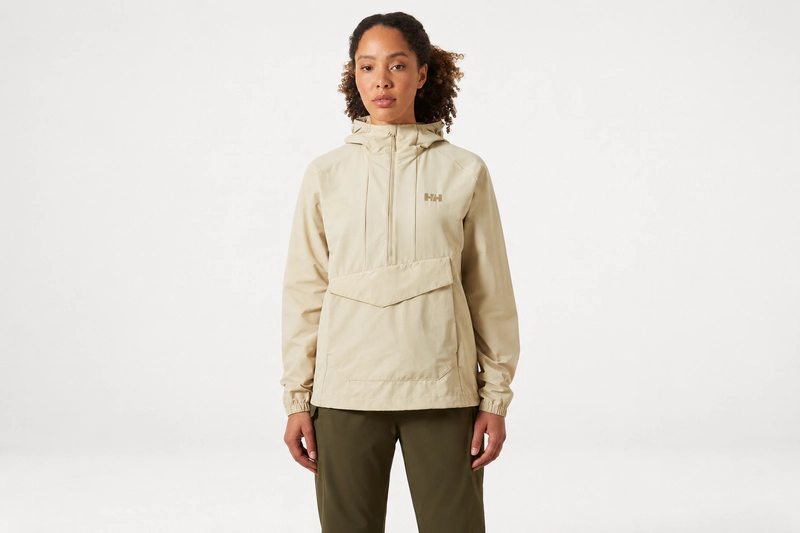
Design: An anorak is a practical style often designed with a hood, drawcords, and functional pockets. It can be a pullover or zip-front.
Colors and fabrics: Khaki, navy, black, and bright outdoor colors suit its casual character. Nylon, polyester, cotton blends, and weather-resistant fabrics are possible options.
Styling and product development: Wear it with denim, casual trousers, activewear, or layered knits. Decide whether the design prioritizes lightweight comfort, weather protection, or both.
22. Windbreaker
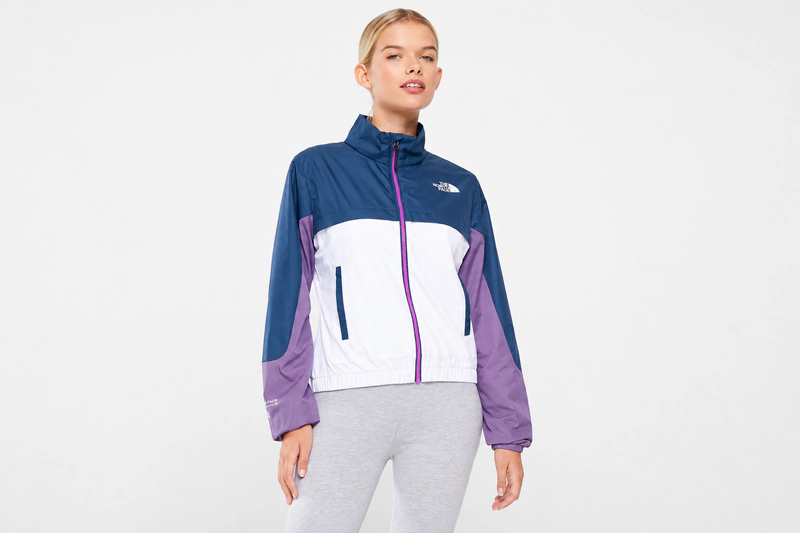
Background: Windbreakers developed as lightweight outerwear for breezy conditions and remain common in sportswear and casual layering.
Design: A lightweight jacket, commonly with a zip front, hood, and elasticated cuffs.
Colors and fabrics: Nylon and polyester are common shell options. Color blocking, brights, and classic neutrals suit its sporty shape.
Styling and product development: Layer it over a T-shirt, sweatshirt, or activewear. Consider fabric weight, lining, ventilation, cuff finish, and packability.
23. Field Jacket
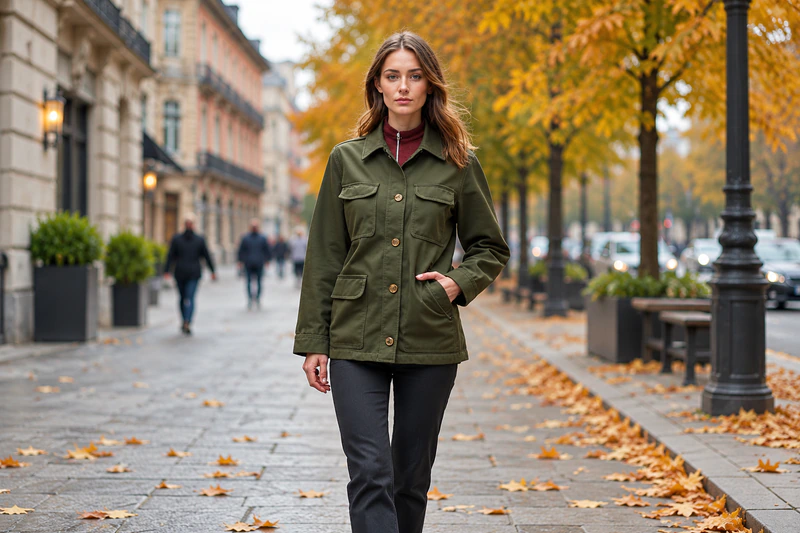
Background: The field jacket draws on military and utility clothing, where practical storage and straightforward construction were important.
Design: Multiple pockets, a simple body shape, and sometimes a waist drawcord define the style.
Colors and fabrics: Olive and khaki are familiar; black, navy, and neutrals create a cleaner modern look. Cotton twill, canvas, and cotton blends suit its practical feel.
Styling and product development: Pair it with denim, chinos, simple dresses, or light knits. Pocket placement is one of the style’s defining features.
Material-Led and Casual Styles
24. Shearling Coat
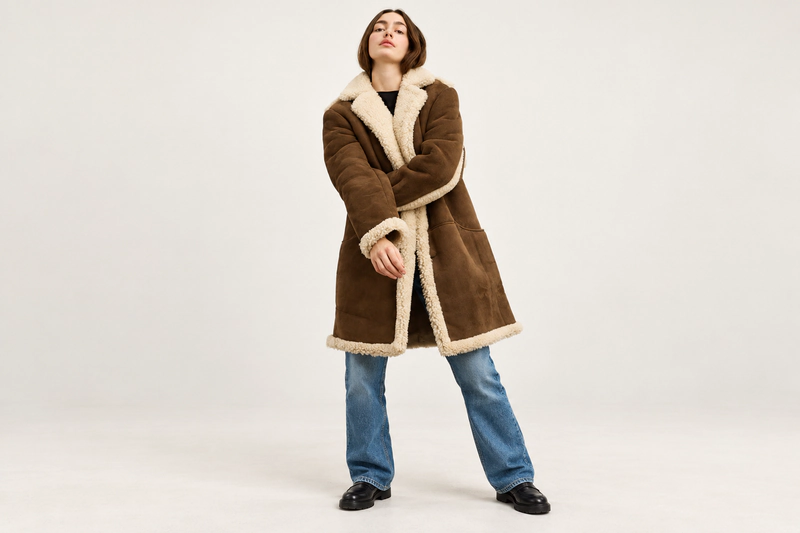
Design: A substantial outerwear style traditionally made from sheepskin with the wool left attached. Contemporary versions may use faux-shearling materials.
Colors and fabrics: Cream, tan, brown, and black are familiar. Shearling, faux shearling, suede, and leather-look materials create different finishes and weights.
Styling and product development: Wear it with denim, knitwear, and boots. Consider seam bulk, lining, pile direction, and comfort around the collar and cuffs.
25. Faux-Fur Coat
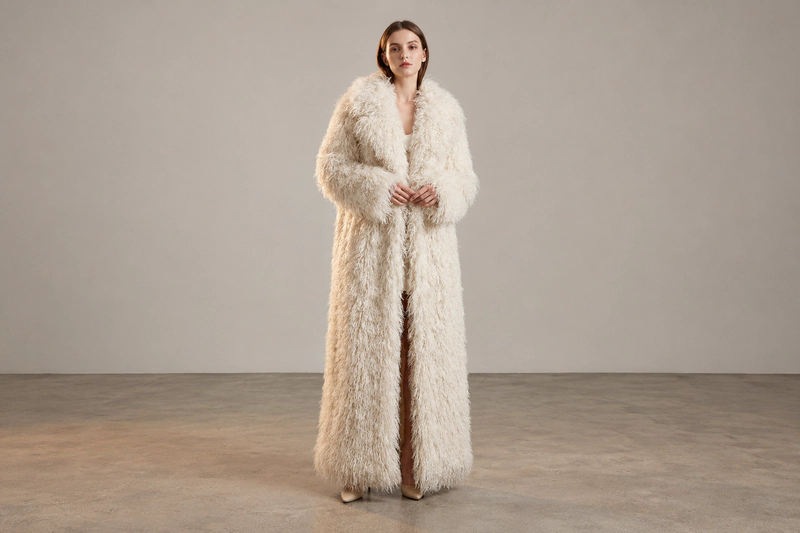
Design: Synthetic pile fabric creates a plush surface. Faux fur can cover the whole coat or appear as a collar, cuff, or trim detail.
Colors and fabrics: Natural-looking shades, animal-inspired patterns, pastels, and brights create different effects. Pile length and density influence the look and weight.
Styling and product development: Wear a statement version over a simple outfit, or choose a shorter style for a casual look. Check the pile, backing, lining, and seam appearance.
26. Leather Coat
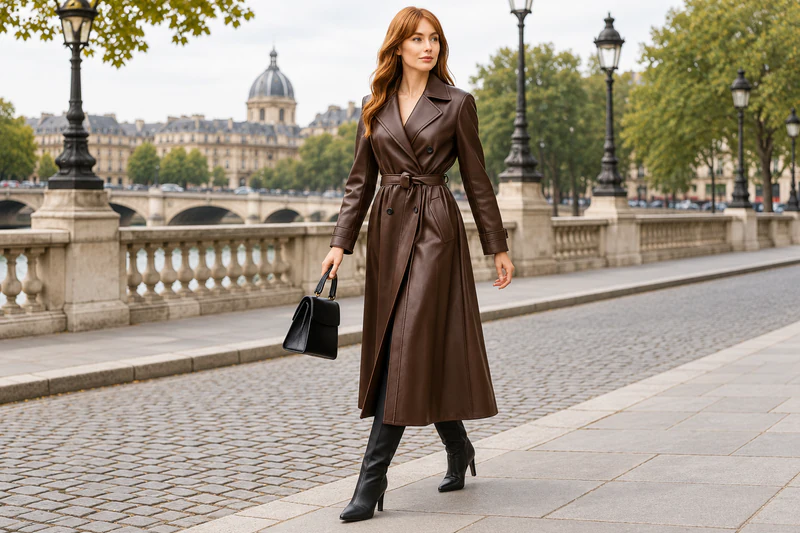
Background: Leather has a long history as durable outerwear and is now used in styles ranging from utility-inspired to tailored.
Design: Silhouettes may include clean fronts, belts, lapels, or visible hardware.
Colors and fabrics: Black and brown are classic; burgundy, cream, and other colors feel more fashion-led. Genuine leather and leather-look materials offer different finishes.
Styling and product development: Wear it with denim and knits or contrast it with a dress. Specify the material, surface finish, lining, closure, hardware, and care information.
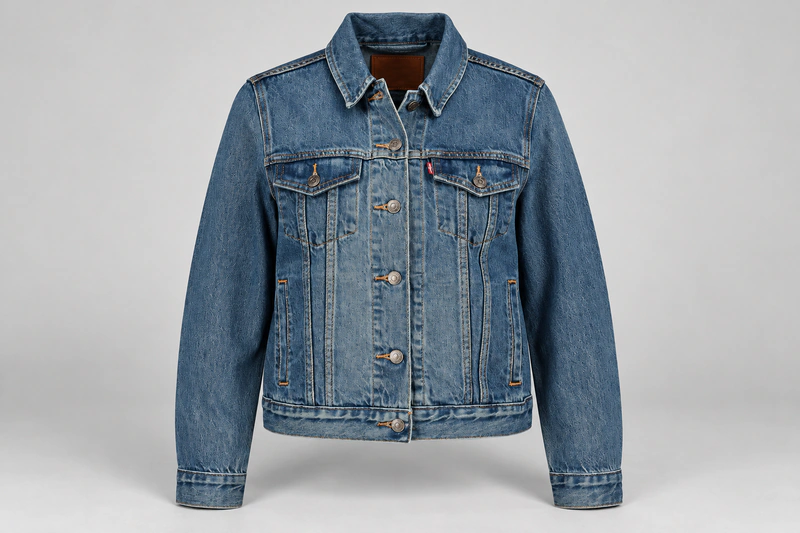
27. Denim Jacket
The puffer jacket has become a winter essential, from lightweight everyday versions to oversized streetwear designs.
Its padded appearance is part of the appeal, but the insulation inside is what matters most.
A puffer jacket uses down or synthetic insulation held within padded compartments. These sections may be created with stitching or other baffle construction. Designs range from slim, lightweight jackets to heavily padded oversized styles. The warmth depends on insulation type, fill amount, construction, and overall coverage.
A short puffer works well for everyday winter outfits, while longer versions provide more coverage.
For streetwear brands, oversized shapes and bold surface finishes can give the familiar design a completely different feel.
28. Quilted Jacket
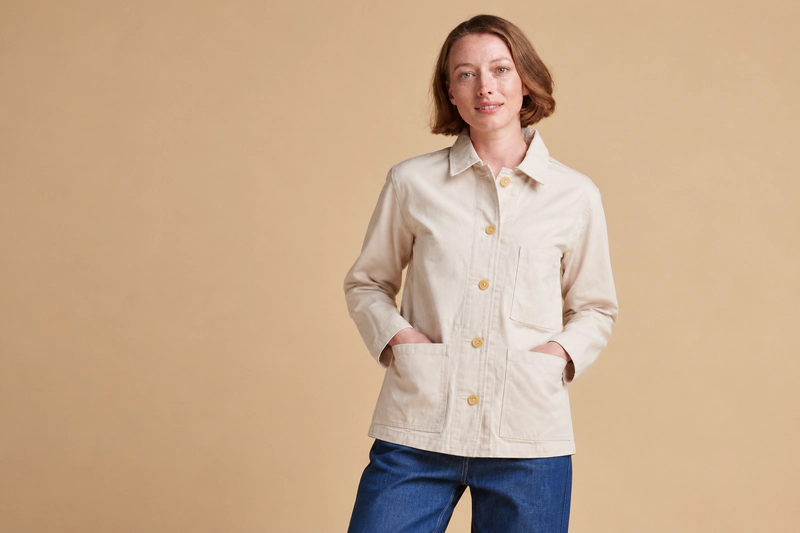
Background: The chore jacket takes inspiration from workwear, with a straightforward cut and practical storage.
Design: A straight shape, button front, and multiple patch pockets are common.
Colors and fabrics: Canvas, cotton twill, and denim suit its utility character. Indigo, ecru, olive, and natural shades are familiar choices.
Styling and product development: Layer it over a T-shirt, shirt, sweatshirt, or light knit with relaxed trousers or denim. Pocket layout, topstitching, and fabric weight help define the style.
Short Tailored and Fashion Jackets
29. Blazer
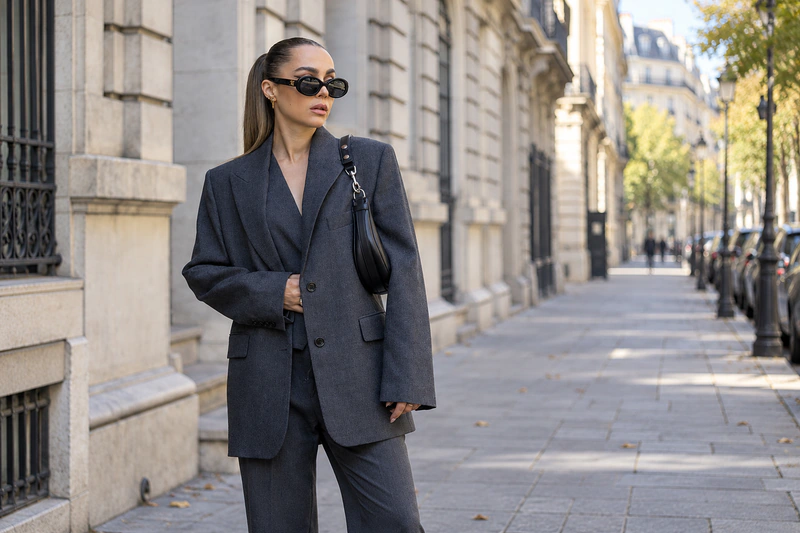
Background: The blazer has roots in uniform and sporting dress and has since become a versatile tailored layer.
Design: Lapels and a front closure are typical. Women’s versions range from sharp tailoring to relaxed, oversized shapes.
Colors and fabrics: Navy and black are classic; checks, pastels, and bright colors add personality. Wool, cotton, linen blends, and suiting fabrics create different levels of formality.
Styling and product development: Wear it with matching trousers, over a dress, or with denim and a simple top. Shoulder construction, lapel width, button stance, and lining shape the result.
30. Bomber Jacket
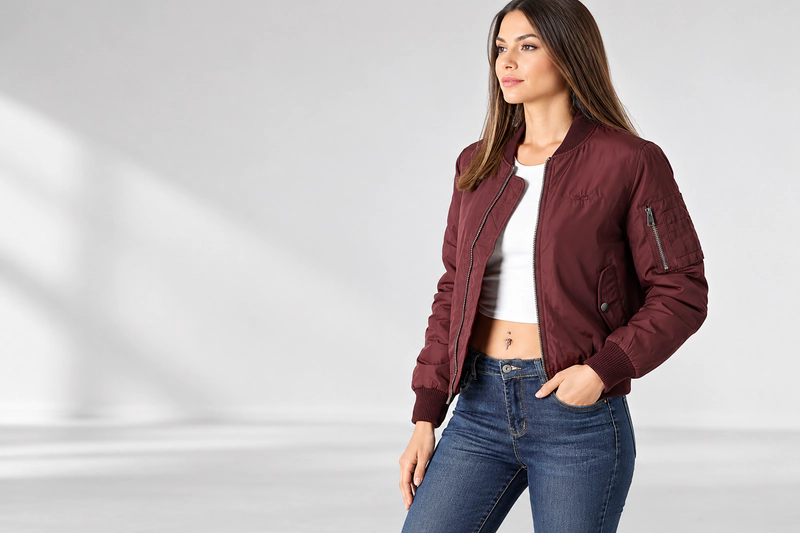
Background: The bomber developed from flight outerwear and later became a familiar casual and streetwear style.
Design: A short blouson shape, front zipper, and often ribbed cuffs or hem are common features.
Colors and fabrics: Olive, black, navy, and burgundy are dependable choices; satin, prints, and embroidery create statement versions. Nylon, leather, satin, and cotton blends suit different looks.
Styling and product development: Pair it with denim, casual trousers, skirts, or a simple dress. Coordinate body volume, sleeve shape, rib trim, zipper, and lining.
How to Choose Styles for a Women’s Outerwear Collection
A collection does not need every style. Start with the customer and the reason they would wear the garment, then choose silhouettes and materials that support that purpose.
Start with the Customer and Occasion
Consider whether the collection is aimed at commuters, travelers, outdoor customers, or occasionwear shoppers. A tailored wool coat, raincoat, and bomber each serve a different role.
Match the Style to the Season
A lightweight trench or windbreaker may suit transitional weather, while a lined parka or insulated coat may be designed for colder conditions. Season affects fabric weight, lining, insulation, closures, and layering ease.
Choose the Silhouette and Fabric Together
A fabric that looks right on a swatch may behave differently in a long coat, cocoon shape, or cropped jacket. Consider weight, drape, structure, texture, and how the garment moves. See our fabric customization options when comparing materials.
Build a Balanced Range
A collection can combine dependable styles with more distinctive pieces. A classic trench or wool coat might sit alongside a quilted coat, utility jacket, or statement faux-fur design.
Define the Details Early
Collars, hoods, pockets, closures, cuffs, linings, belts, and adjusters should support the intended use and appearance. For help planning a new style, explore our custom jacket manufacturing service and apparel manufacturing service.
Design Considerations for OEM Coats and Jackets
When taking an outerwear style from concept toward sampling, make the design clear enough to develop and review.
- Silhouette and fit: Specify length, body shape, shoulder construction, sleeve shape, and layering ease.
- Materials: Define the shell, lining, insulation, trims, and closures.
- Signature details: Record pocket dimensions, hood shape, belt placement, quilting, and other recognizable features.
- Sample review: Check fit and movement over likely base layers, and review the garment both open and fastened.
- Finishing: Assess seams, stitching, lining, surface appearance, and how the fabric behaves at construction points.
Styles with insulation, weather-resistant details, specialty materials, or complex tailoring may need more attention during material selection and sample review.
Conclusion
Women’s coats and jackets range from tailored classics and relaxed silhouettes to weather-ready layers and material-led statement pieces. Each style has its own combination of shape, fabric, color, and function.
For fashion brands, choosing the right style starts with a clear customer and use case. From there, silhouette, materials, and construction details can come together into a cohesive collection.
If you’re planning a new outerwear collection, contact our team to discuss your product direction.
Frequently Asked Questions
1. What are the most popular types of women’s coats and jackets?
Trench coats, wool coats, puffers, parkas, pea coats, denim jackets, blazers, and bombers are widely recognized styles. The best choices depend on the target customer, climate, season, and product positioning.
2. Which coat styles work well for transitional weather?
Lightweight trench coats, car coats, quilted coats, windbreakers, and some denim jackets can work well for transitional weather. The right choice depends on temperature, wind, rain, and how much layering is needed.
3. What fabrics are commonly used for women’s outerwear?
Common options include wool and wool blends, cotton, denim, canvas, nylon, polyester, leather, and faux-fur fabrics. Insulated styles may use down or synthetic fill. The best choice depends on the silhouette, intended season, appearance, and function.
4. How can a brand make a classic coat style feel distinctive?
A brand can reinterpret a familiar style through silhouette, length, color, fabric texture, lining, closures, pockets, or other details. Keeping the style recognizable while giving it a clear design point of view can help it fit the wider collection.
5. What should a brand consider when developing a new coat or jacket?
Start with the target customer, intended season, use, and fit. Then define the silhouette, shell fabric, lining or insulation, closures, pockets, and other key details. Sample review helps assess how those choices work together in the finished garment.
Discuss Your Project
Related Articles



Hot Products
Share With