How to Prepare for Bulk Clothing Production
Moving from sampling into bulk production is one of the biggest transitions for any fashion brand.
At this stage, products are no longer just concepts or prototypes. Bulk production turns your designs into a full inventory that customers will eventually receive.
Because of this, preparation becomes extremely important.
Many production problems happen because brands move into manufacturing too quickly without properly confirming:
- Sizing
- Fabrics
- Printing details
- Packaging
- Production timelines
Even small mistakes during production can become expensive when hundreds or thousands of garments are involved.
Brands working with experienced production partners like OEM Fashion often spend more time organizing product details before manufacturing begins to reduce unnecessary production risks.
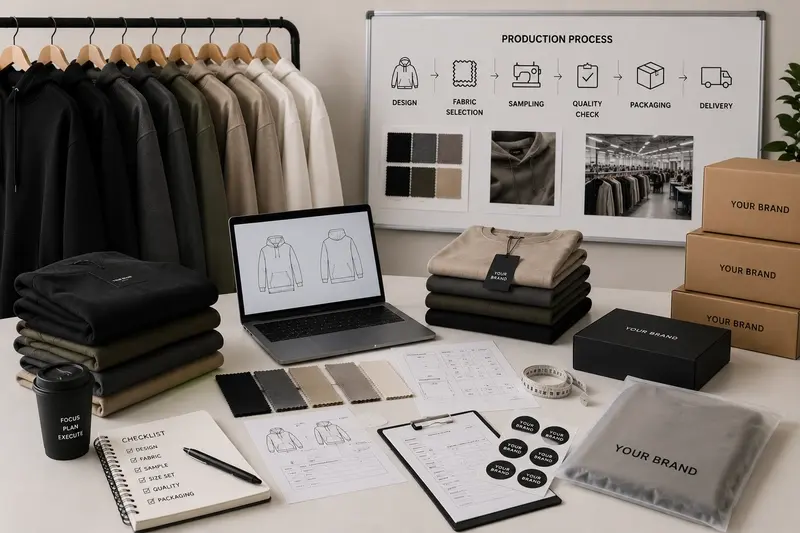
Bulk Production Is Very Different From Sampling
Many startup brands assume bulk production works the same way as sample development.
In reality, large-scale manufacturing requires much stricter coordination because factories are producing garments in higher quantities and under tighter timelines.
During sampling, factories may manually adjust garments or make smaller refinements.
However, during bulk manufacturing:
- Consistency becomes critical
- Production speed increases
- Fabric usage scales quickly
- Quality control becomes more important
This is why final approvals should always happen before production officially begins.
Once manufacturing starts, making changes becomes much more difficult and expensive.
Confirm All Product Details Before Production
One of the most common mistakes brands make is changing product details too late.
Before production begins, brands should finalize:
- Measurements
- Fabric selection
- Color references
- Logo placement
- Printing methods
- Packaging details
- Label designs
Small adjustments during manufacturing can delay timelines and create inconsistencies between garments.
The more organized the product information is, the smoother the production process usually becomes.
Reliable custom clothing production partners will typically request final approval on all product specifications before scheduling manufacturing.
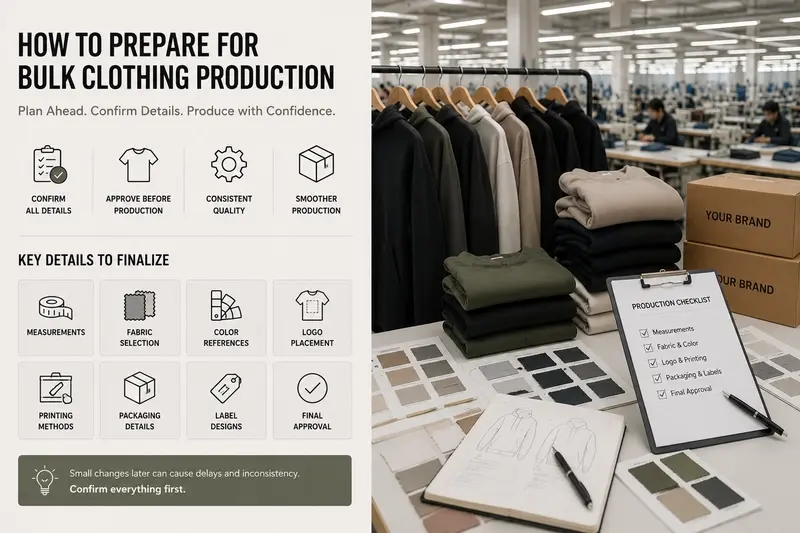
Fabric Consistency Matters During Large Orders
Fabric behavior can change when production scales from samples into larger quantities.
During bulk manufacturing, brands should carefully confirm:
- Fabric weight
- Dye consistency
- Shrinkage performance
- Texture
- Stretch behavior
This becomes especially important for:
- Oversized apparel
- Washed garments
- Coordinated sets
- Sportswear collections
Brands producing premium products often spend additional time reviewing fabric approvals before production begins because fabric consistency directly affects final garment quality.
Manufacturers producing large quantities of coordinated apparel often work closely with experienced custom tracksuit manufacturers to maintain fabric consistency, color accuracy, and fit balance across entire collections.
Production Timelines Should Always Include Buffer Time
One of the biggest mistakes startup brands make is underestimating production timelines.
Bulk production often takes longer than expected because manufacturing includes:
- Fabric sourcing
- Cutting
- Sewing
- Printing
- Embroidery
- Washing
- Packaging
- Quality inspection
Unexpected delays can also happen because of:
- Material shortages
- Shipping delays
- Holiday schedules
- Revision requests
Professional brands usually build extra buffer time into production schedules to reduce unnecessary pressure before launches.
Planning early also helps avoid expensive rush shipping costs later.
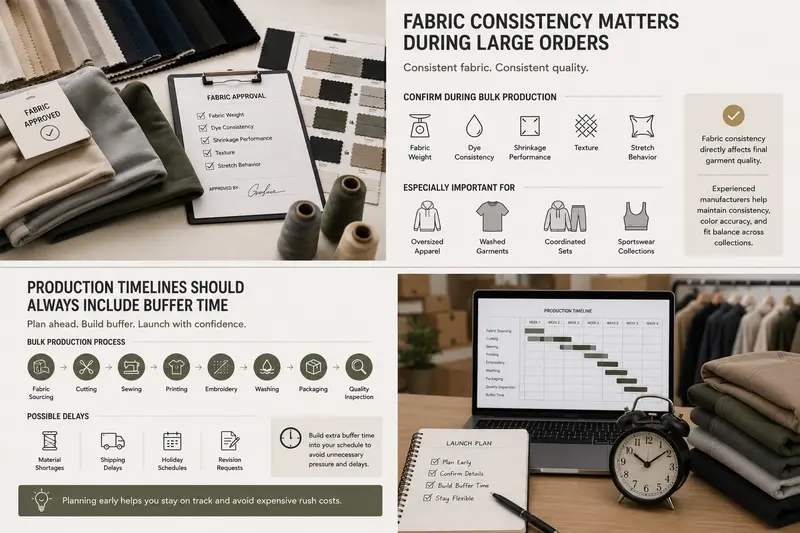
Quality Control Becomes More Important at Scale
A sample may look perfect while bulk production still contains inconsistencies.
This is why quality control becomes increasingly important during larger production runs.
Factories should regularly inspect:
- Measurements
- Stitching
- Printing accuracy
- Fabric defects
- Color consistency
- Packaging
Brands producing premium apparel usually pay especially close attention to finishing details because small inconsistencies become more visible at scale.
Experienced manufacturers should have internal quality control systems that monitor products throughout the entire manufacturing process.
Communication During Production Is Essential
Good communication does not stop once production begins.
During manufacturing, brands should stay updated on:
- Production progress
- Timeline adjustments
- Material updates
- Shipping schedules
- Quality control feedback
Clear communication helps reduce misunderstandings and improve production efficiency.
Manufacturers that provide transparent production updates are usually easier to work with long-term.
Brands developing performance apparel and active collections often collaborate with experienced sportswear manufacturers to manage production timelines and maintain stable quality standards throughout manufacturing.
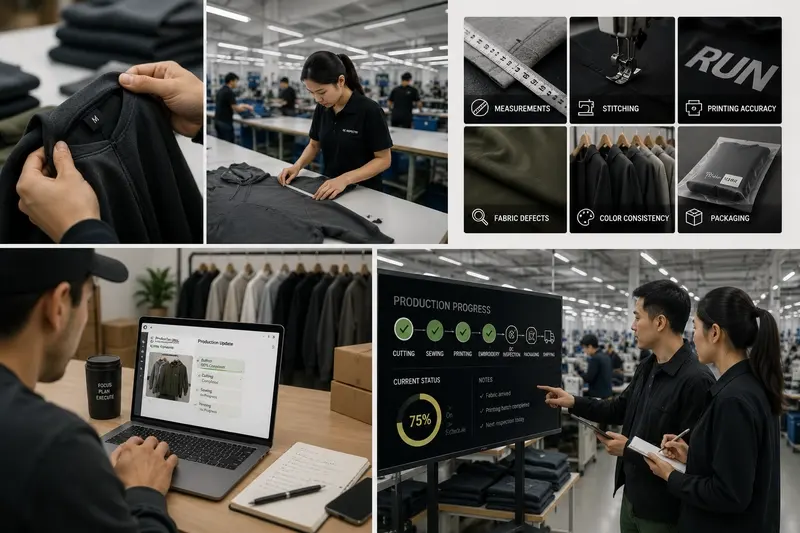
Packaging Should Be Ready Before Production Ends
Many startup brands focus heavily on garments but forget to prepare packaging early enough.
Before production finishes, brands should confirm:
- Woven labels
- Hang tags
- Poly bags
- Stickers
- Cartons
- Shipping marks
Delays in packaging materials can slow down final delivery timelines even after garments are completed.
Preparing branding materials early helps create a smoother production and shipping process.
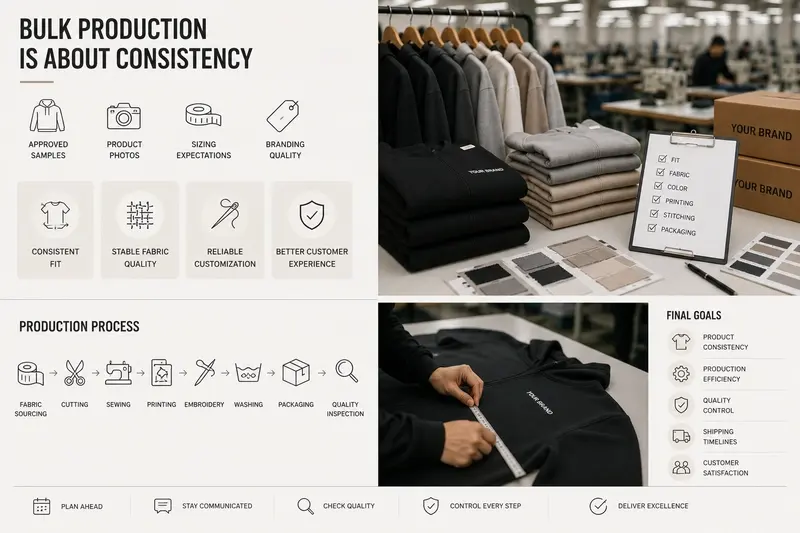
Bulk Production Is About Consistency
The biggest goal during large-scale manufacturing is consistency.
Customers expect products to match:
- Approved samples
- Product photos
- Sizing expectations
- Branding quality
Strong production systems help brands maintain:
- Consistent fit
- Stable fabric quality
- Reliable customization
- Better customer experience
This is why professional product development before bulk production is so important.
Brands that invest more time into preparation usually experience fewer manufacturing problems later.
Final Thoughts
Bulk clothing production requires much more planning and organization than many startup brands expect.
Strong preparation before manufacturing begins helps improve:
- Product consistency
- Production efficiency
- Quality control
- Shipping timelines
- Customer satisfaction
Instead of rushing into large production runs too early, fashion brands should focus on confirming every important detail before manufacturing officially starts.
Whether you are producing oversized basics, activewear, or coordinated apparel collections, strong production planning can significantly improve long-term manufacturing results.
If you are currently preparing for your next production run, feel free to contact us to discuss apparel manufacturing solutions for your brand.
FAQs
What is bulk clothing production?
Bulk clothing production refers to large-scale garment manufacturing after final samples and product approvals are completed.
Why is quality control important during bulk production?
Quality control helps maintain consistent sizing, fabric quality, printing accuracy, and overall garment consistency across larger production runs.
How long does bulk apparel production usually take?
Production timelines vary depending on product complexity and order size, but most bulk apparel orders take several weeks to complete.
Why should brands approve samples before production?
Approved samples act as the final reference for manufacturing and help reduce production mistakes during bulk orders.
What causes delays during apparel production?
Common delays include fabric shortages, packaging issues, revision requests, shipping problems, and seasonal factory demand.
Share With
Related Articles



Hot Products