Clothing Sampling Process Guide for Startup Brands
One of the most important stages in apparel manufacturing happens before bulk production even begins.
The sampling process helps fashion brands test product quality, garment fit, fabric selection, and overall construction before investing in large production quantities.
Many startup brands try to skip sampling to save money or reduce development time. However, this often creates much larger production problems later.
Without proper samples, brands may face:
- Incorrect sizing
- Poor fit
- Fabric inconsistencies
- Printing mistakes
- Construction issues
- Expensive production revisions
Understanding how garment sampling works helps brands improve product quality while reducing manufacturing risks during production development.
At OEM Fashion, startup brands often use the sampling stage to refine fabrics, sizing, construction details, and branding before moving into final production.
What Is a Clothing Sample?
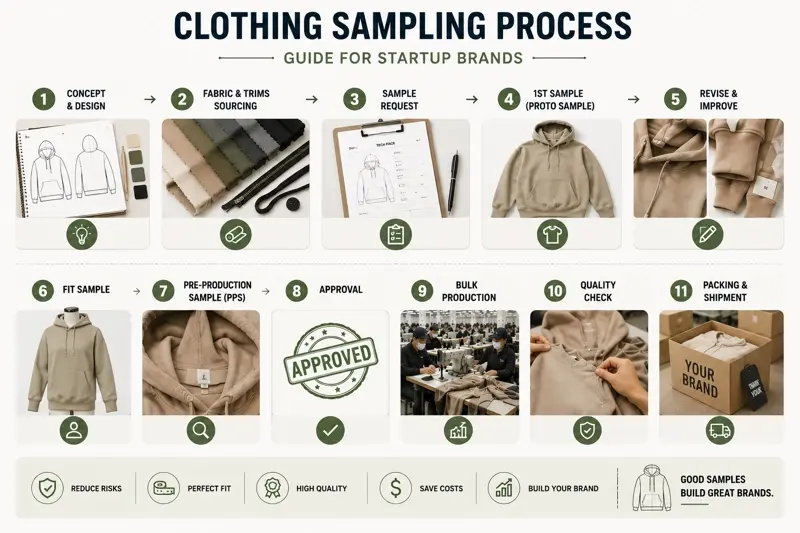
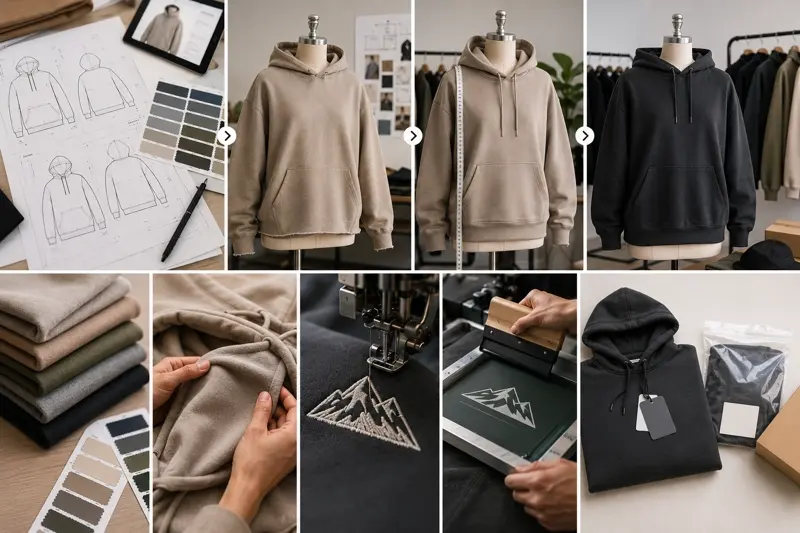
A clothing sample is a prototype garment created before bulk production begins.
It allows brands to review:
- Fabric quality
- Garment fit
- Measurements
- Printing
- Embroidery
- Construction details
- Overall appearance
Samples help manufacturers and brands confirm that the final product matches the original design concept before mass production starts.
Professional sampling is one of the most important parts of apparel product development because it helps reduce expensive manufacturing mistakes later.
Why Sampling Is So Important for Startup Brands
For startup brands, sampling provides an opportunity to improve products before making larger production investments.
Even strong tech packs and design references cannot fully guarantee that a garment will fit or feel exactly as expected during real production.
The sampling process helps brands:
- Improve fit accuracy
- Test fabrics
- Refine garment structure
- Review logo placement
- Confirm sizing consistency
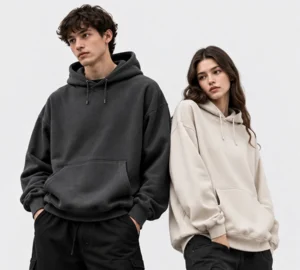
This is especially important for oversized streetwear products where silhouette and garment structure are major parts of the final design.
Brands developing heavyweight hoodies and oversized basics often work closely with experienced custom hoodie manufacturers to refine fit and fabric details during the sample development stage.
Different Types of Apparel Samples
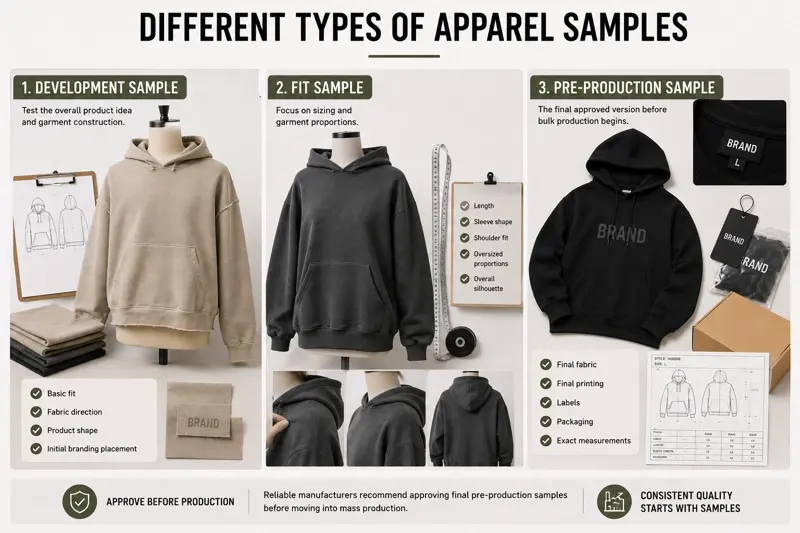
Most fashion brands go through multiple sample stages before final production approval.
Development Sample
A development sample is used to test the overall product idea and garment construction.
At this stage, brands usually focus on:
- Basic fit
- Fabric direction
- Product shape
- Initial branding placement
The goal is not perfection but identifying early adjustments.
Fit Sample
Fit samples focus specifically on sizing and garment proportions.
Brands review:
- Length
- Sleeve shape
- Shoulder fit
- Oversized proportions
- Overall silhouette
Streetwear brands often spend significant time refining fit samples because sizing plays a major role in product positioning and customer experience.
Pre-Production Sample
A pre-production sample is the final approved version before bulk production begins.
This sample should include:
- Final fabric
- Final printing
- Labels
- Packaging
- Exact measurements
Once approved, manufacturers use this sample as the standard reference for production.
Reliable custom clothing manufacturers usually recommend approving final pre-production samples before moving into mass production.
Fabric Testing During Sampling Matters More Than Most Brands Realize
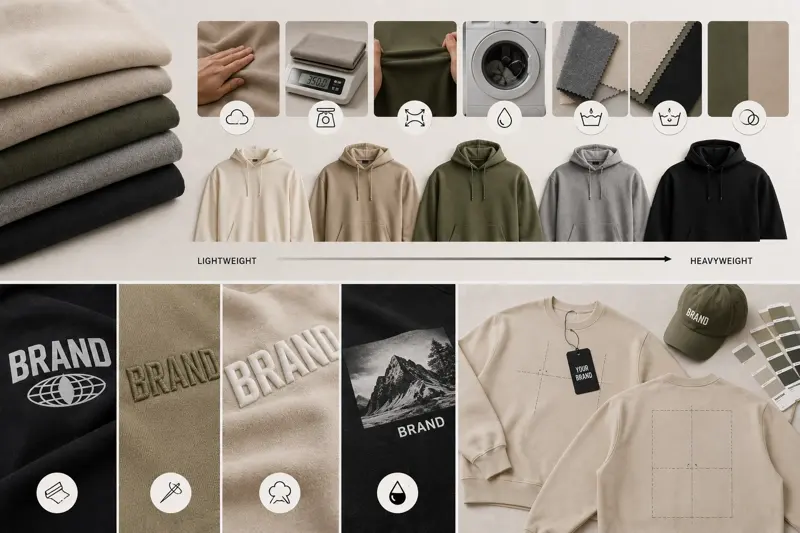
Fabric selection often changes how a garment fits, drapes, and feels.
During the sampling process, brands should test:
- Fabric softness
- Weight
- Stretch
- Shrinkage
- Wash performance
- Color consistency
For example, heavyweight fleece creates a much different silhouette compared to lightweight cotton fabrics.
Sampling allows brands to refine fabric choices before finalizing production.
This is one of the reasons why experienced manufacturers usually recommend fabric testing before confirming bulk orders.
Printing and Embroidery Should Always Be Tested
Different customization methods can dramatically change the final appearance of a garment.
During sampling, brands should carefully review:
- Screen printing quality
- Embroidery density
- Puff printing texture
- Logo placement
- Color accuracy
Certain print methods may work better on specific fabrics than others.
For example:
- Puff printing works well on heavyweight streetwear
- Embroidery creates a more premium finish
- DTG printing is better for detailed artwork
Brands developing premium apparel collections often work with experienced private label clothing manufacturers to refine customization details before production begins.
Sampling Helps Reduce Production Risks
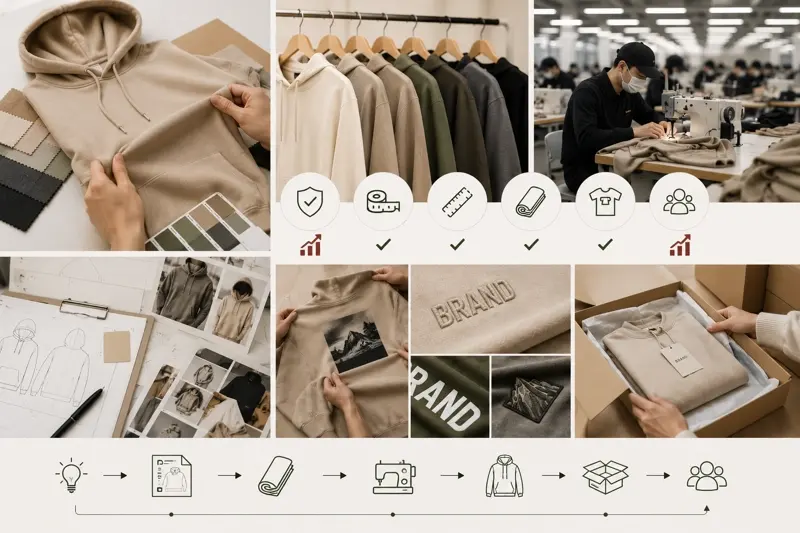
Many production mistakes happen because brands move too quickly into bulk manufacturing without fully testing products first.
Sampling helps reduce:
- Sizing inconsistencies
- Construction problems
- Fabric sourcing issues
- Printing mistakes
- Customer complaints
Although sampling increases development time slightly, it usually saves both time and money long-term by reducing costly production errors.
Professional brands understand that proper product development leads to more stable production and better customer satisfaction.
Good Communication Improves Sampling Results
Clear communication during the sampling process is extremely important.
Brands should provide:
- Tech packs
- Reference images
- Fabric preferences
- Measurement details
- Branding instructions
The more organized the development process is, the smoother the sampling stage usually becomes.
Reliable manufacturers should also provide feedback and recommendations during sample development to help improve the final product.
Final Thoughts
The clothing sampling process is one of the most important stages in apparel manufacturing.
Proper sampling helps startup brands improve:
- Product quality
- Garment fit
- Fabric consistency
- Customization accuracy
- Production stability
Instead of rushing directly into mass production, fashion brands should focus on refining products carefully during development.
Strong sample development usually leads to better final products, smoother production, and improved long-term customer satisfaction.
If you are currently developing a new apparel collection, feel free to contact us to discuss sampling and custom manufacturing solutions for your brand.
Frequently Asked Questions
Why is clothing sampling important before production?
Sampling helps brands test fit, fabric quality, printing, and garment construction before bulk production begins.
How many samples do clothing brands usually make?
Most brands go through multiple stages, including development samples, fit samples, and pre-production samples, before final approval.
How long does clothing sample development take?
Sampling timelines usually range between 7 and 21 days, depending on product complexity and customization requirements.
Do startup brands need professional samples?
Yes. Professional sampling helps reduce production mistakes and improve product consistency before larger production investments.
Can sampling reduce manufacturing mistakes?
Absolutely. Sampling helps identify sizing, fabric, printing, and construction problems before bulk production starts.
Share With
Related Articles

Hot Products