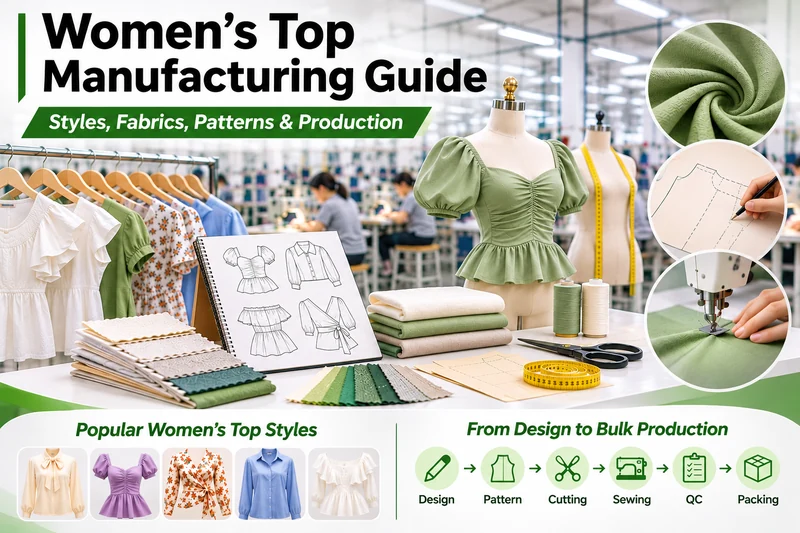
Women’s Top Manufacturing Guide: Styles, Fabrics, Patterns & Production
Quick Summary: Developing a women’s top involves a series of connected decisions: choosing the style, selecting the fabric, developing the pattern, confirming fit through sampling, and preparing the garment for production. This guide walks through those steps, including construction details, decoration, quality checks, labels, and packaging.
At OEM Fashion, we help apparel brands develop custom clothing. This guide explains how to plan a women’s top and what to consider as it moves from an initial design to a production-ready garment.
What Counts as a Women’s Top?
Women’s tops include garments worn on the upper body, from casual knit tees to structured woven blouses. They may be designed as standalone pieces, base layers, or part of a coordinated collection.
Common styles include:
- T-shirts and graphic tees
- Blouses and button-up shirts
- Tank tops and camisoles
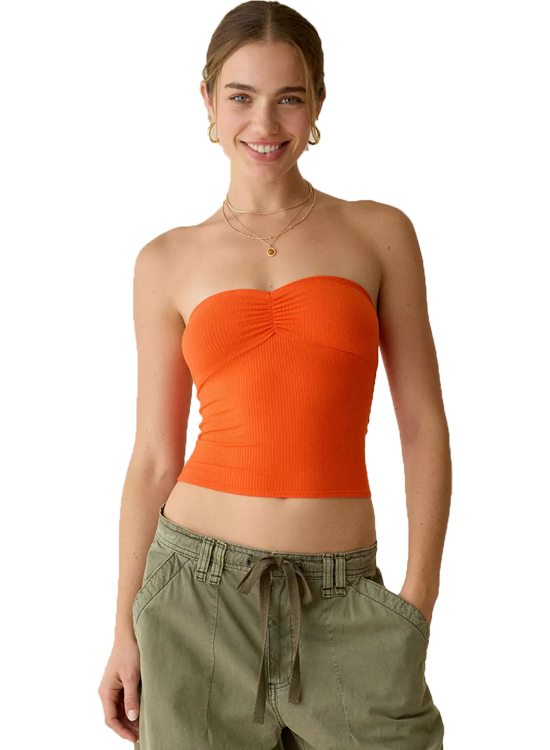
- Crop tops
- Wrap and peplum tops
- Polo shirts
- Tunics and relaxed-fit tops
Different styles use different patterns and construction methods. A stretch jersey tee, for example, has different fit and seam requirements from a woven blouse with a collar and button placket.
For more examples of T-shirt silhouettes, see our guide to custom T-shirt types.
1. Define the Product Direction
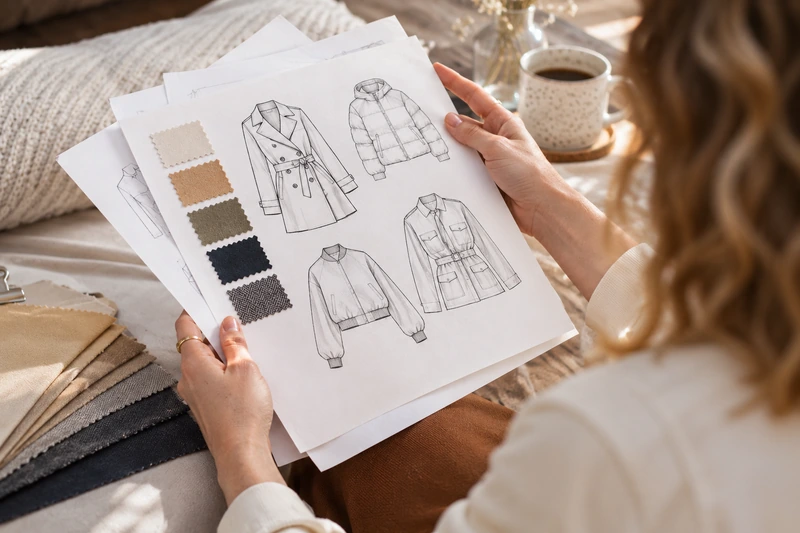
Before pattern development begins, clarify who the top is for and how it will be worn. A product brief can start with a sketch, reference image, or written description.
Define the following:
- Target customer and market
- Intended use and season
- Fit direction: fitted, regular, relaxed, or oversized
- Main design features
- Fabric and color direction
- Size range and estimated quantity
- Print, embroidery, trim, and branding requirements
These decisions help the design, pattern, fabric, and production requirements work together. If the top belongs to a collection, note which elements should remain consistent across styles, such as a preferred fit, color palette, or branding placement.
2. Select the Top Style
Style affects the pattern, fit, fabric, and construction. A few key garment families are useful to consider at the start.
T-Shirts
T-shirts are usually made from knit fabric and can be fitted, regular, boxy, cropped, or oversized. Neckline shape, sleeve length, shoulder position, and body length define the look.
Blouses and Woven Shirts
Blouses may include collars, button fronts, darts, pleats, gathers, or cuffs. These details add structure and may require additional pattern pieces and construction steps.
Tank Tops and Camisoles
Tank tops and camisoles rely on the shape and finish of the neckline and armholes. Strap width, binding, lining, and fabric stretch can all affect fit and coverage.
Crop, Wrap, and Peplum Tops
These styles depend on specific proportions or construction features. Crop tops need a defined body length; wrap tops need sufficient overlap and a secure closure; peplum tops need the waist seam and flare to sit as intended.
3. Understand the Main Parts of a Top
Knowing the basic garment parts makes it easier to describe a design and prepare a clear specification.
- Neckline: Frames the neck and can be crew, V-neck, scoop, square, boat, or another shape.
- Shoulder: Affects the garment’s balance and how the sleeve or strap sits.
- Armhole: Connects the bodice and sleeve, or forms the finished opening on a sleeveless top.
- Bodice: The main body of the garment; it may be fitted, straight, gathered, or shaped with darts.
- Sleeve: Can vary by length, volume, shape, and attachment.
- Cuff: Finishes a sleeve opening and may use a hem, band, button, or elastic.
- Hem: The lower edge of the garment; it may be straight, curved, split, or asymmetrical.
- Darts and pleats: Add shaping, volume, or design detail.
- Placket and closure: A button placket, zipper, or other opening changes both function and appearance.
These details should be clear in the sketch and technical specifications, especially when a style has multiple views or colorways.
4. Choose Fabric for the Style
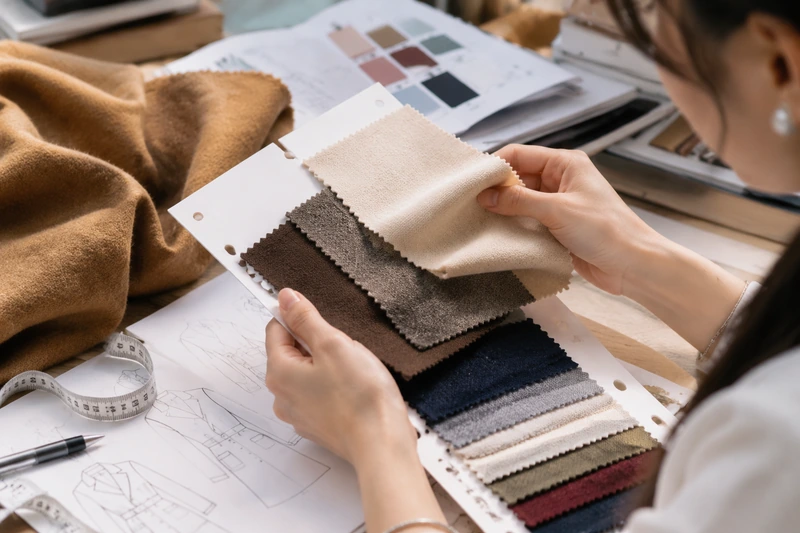
Fabric affects a top’s drape, stretch, structure, comfort, opacity, and care requirements. A fluid woven blouse and a fitted jersey tee call for different material properties.
When comparing fabrics, consider:
- Knit or woven construction
- Fiber content and blend
- Weight and thickness
- Drape and structure
- Stretch and recovery
- Surface texture and hand feel
- Color, print, and finish
- Shrinkage and care requirements
The best fabric depends on the design and intended use. For a complete comparison of fabric types and properties, see Apparel Fabric Guide: Types, Properties & How to Choose. This is the planned internal link to your general fabric guide; add the URL after that article is published.
You can also review our fabric customization options when planning composition, weight, color, stretch, and hand feel for a custom product.
5. Develop the Pattern and Size Specifications
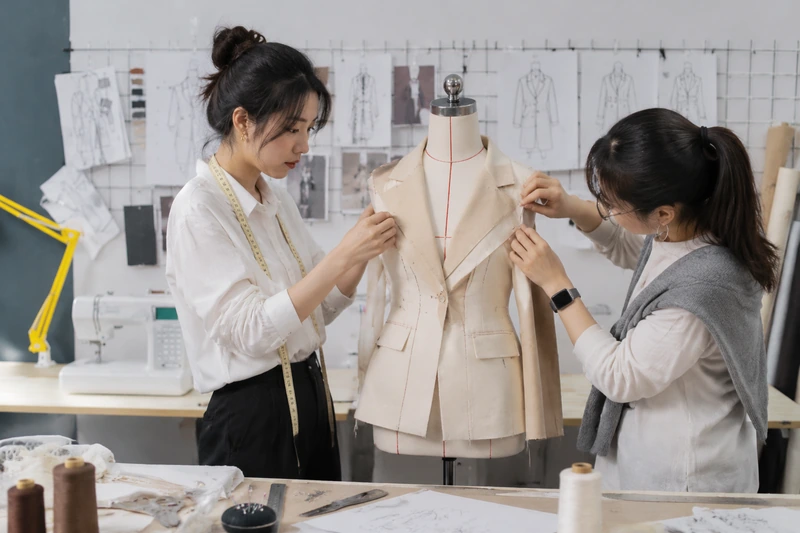
A pattern translates the design into garment pieces that can be cut and assembled. It may be developed from a tech pack, sketch, reference garment, or an existing pattern that needs adjustment.
For a women’s top, important fit points often include:
- Bust and waist ease
- Shoulder width and slope
- Armhole depth and shape
- Sleeve length and width
- Neckline shape and opening
- Body length and hem shape
The pattern should be reviewed in the intended fabric when possible. Fabric drape and stretch can change the fit, so a pattern that works in one material may need adjustment for another.
After the base fit is approved, the pattern can be graded across the size range. Check that key details—such as neckline width, strap placement, pocket size, and body length—remain balanced across sizes.
For pattern notation and common markings, Craftsy’s sewing pattern guide explains how grainlines, notches, and construction marks help guide cutting and assembly.
6. Prepare and Review the Sample
A sample helps confirm the garment in physical form before bulk production. It gives the brand and manufacturer a chance to review fit, material behavior, construction, and details.
Review the sample for:
- Overall fit and movement
- Fabric drape, stretch, and opacity
- Neckline and armhole comfort
- Sleeve shape and length
- Seam and hem appearance
- Color, print, embroidery, and trim placement
- Care and wash results, when relevant
Record requested changes clearly. Updated measurements, annotated photos, and revised tech pack details can help prevent confusion between sample versions.
7. Prepare Fabric and Cut the Pattern Pieces
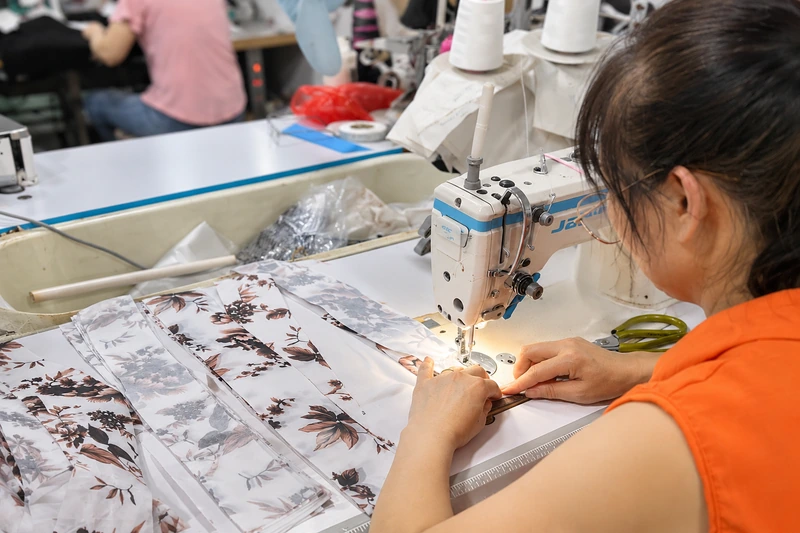
Before cutting, confirm the fabric, color, and approved pattern version. Fabric may need to be checked or prepared according to its construction and intended care. For prints, stripes, plaids, or directional surfaces, cutting layout also needs to account for pattern matching and fabric direction.
Accurate placement helps keep garment panels aligned and reduces distortion. Threads Magazine’s cutting guide covers grain direction, pattern notches, and fabric handling during cutting.
For production planning, confirm:
- Approved fabric and color
- Correct pattern and size set
- Grainline and print direction
- Matching requirements for stripes or plaids
- Notches and panel markings
- Cutting quantities by size and color
8. Sew and Finish the Top
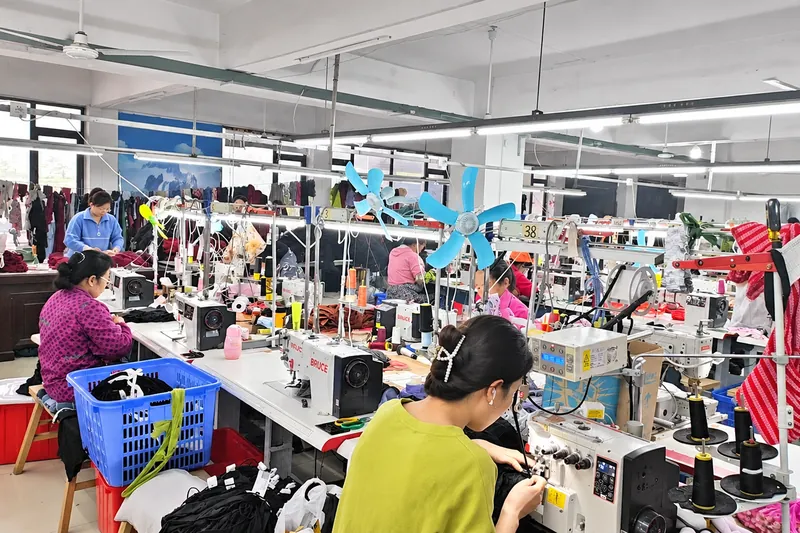
Once cut, garment pieces are assembled and finished. The sewing sequence depends on the style, fabric, and details.
Common operations include:
- Joining shoulder and side seams
- Attaching sleeves or finishing armholes
- Constructing collars, neckbands, and plackets
- Sewing darts, pleats, gathers, or panels
- Applying cuffs, bindings, and hems
- Adding closures, trims, and labels
- Pressing and final finishing
Seam choice also affects comfort, appearance, and durability. A basic seam may suit a simple jersey tee, while delicate or sheer fabrics may call for a cleaner enclosed finish. Stress points such as shoulder seams, armholes, and plackets should be considered during construction planning.
9. Add Printing, Embroidery, and Other Details
Decoration can be applied before or after garment assembly, depending on the technique and design. The method should suit the fabric, artwork, placement, and intended finish.
Options may include:
- Screen printing
- Direct-to-garment printing
- Heat transfer
- Embroidery
- Appliqué and patches
- Decorative trims and embellishments
Before production, confirm artwork files, colors, size, placement, and any required strike-off or test. Our customized printing and embroidery options can be reviewed alongside the garment and artwork requirements.
10. Consider Dyeing and Garment Washing
Color and surface treatments can be developed at the fabric stage or applied after the garment is assembled. The appropriate route depends on the design, material, and desired result.
- Piece dyeing colors fabric after it has been formed.
- Yarn dyeing colors the yarn before the fabric is constructed, often used for stripes or checks.
- Garment washing can soften the hand feel or create a washed appearance.
- Special washes may create fading or other surface effects, depending on fabric compatibility.
These processes can affect color, hand feel, shrinkage, and appearance. Confirm the expected result with a sample before applying the treatment to bulk materials or garments.
11. Check Quality Before Bulk Production and Shipment
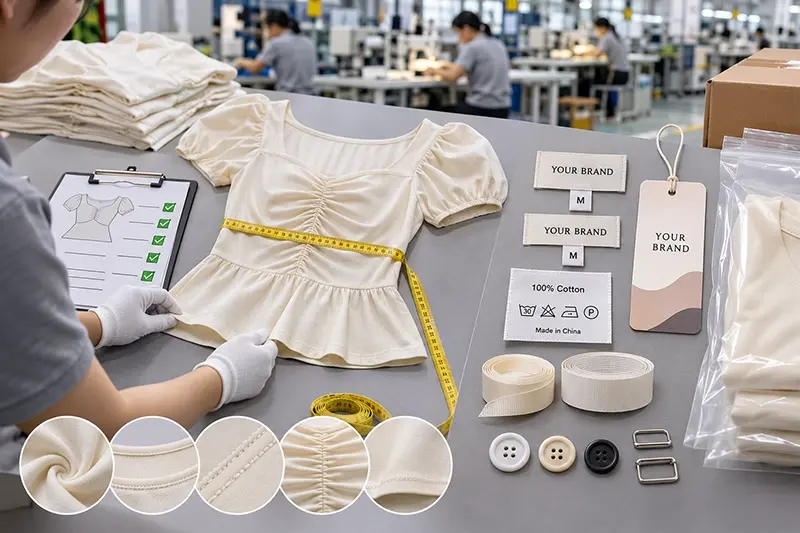
Quality checks should compare the garment with the approved sample and specifications. For women’s tops, review:
- Fabric appearance, color, and defects
- Garment measurements
- Stitch and seam consistency
- Neckline, armhole, sleeve, and hem finishing
- Print or embroidery placement
- Labels, trims, and packing details
A confirmed sample, measurement chart, and product specifications provide shared references for review. Our apparel manufacturing process explains how confirmed product details are carried into bulk production.
12. Confirm Labels, Branding, and Packaging
The finished product includes more than the garment itself. Main labels, size labels, care labels, hangtags, and packaging all contribute to the brand presentation.
Confirm the following before production:
- Label wording and artwork
- Label size and placement
- Care and fiber information
- Hangtag design and attachment
- Folding and individual packaging
- Carton and assortment requirements
Confirming these details in advance helps align the finished product with the brand’s requirements.
What to Prepare for a Women’s Top Manufacturer
A brand can begin with a full tech pack or share the design direction and develop the specifications during the project. Helpful information includes:
- Sketches, reference images, or a tech pack
- Style name and intended use
- Fit and size range
- Fabric and color direction
- Artwork and decoration details
- Labels, trims, and packaging requirements
- Estimated order quantity and target market
Conclusion
Women’s top manufacturing connects design, fabric, pattern, fit, construction, and finishing. Each decision affects the next: fabric influences the pattern and sewing approach, while sample review helps confirm whether the garment matches the intended design.
A clear product brief and approved sample give the production team a shared reference for measurements, materials, details, and quality. If you’re developing a women’s top collection, contact our team to discuss your product direction.
Frequently Asked Questions
1. What information should I send a manufacturer to develop a women’s top?
Send a tech pack if available, along with sketches or reference images, measurements, size range, fabric direction, colors, artwork, trims, labels, and estimated order quantity. If some details are undecided, you can begin with the design concept and confirm specifications during development.
2. How does fabric choice affect a women’s top?
Fabric affects drape, fit, comfort, opacity, stretch, structure, and care. The same pattern can look and feel different in a soft knit, crisp woven, or fluid fabric, so material selection should suit the style and intended use.
3. Why is sampling important before bulk production?
Sampling lets the brand review fit, fabric, construction, color, and details before bulk production. Any adjustments can be recorded and checked against the approved sample.
4. What does pattern grading mean for women’s tops?
Pattern grading adapts an approved base pattern into additional sizes. The goal is to preserve the intended proportions and fit as the measurements change across the size range.
5. Which types of women’s tops can be manufactured?
Common styles include T-shirts, blouses, shirts, tank tops, camisoles, crop tops, wrap tops, peplum tops, and polo shirts. Fabric and construction options depend on the design requirements.
Discuss Your Project
Related Articles



Hot Products
Share With