Private Label Clothing Guide for Fashion Brands
Private label clothing has become one of the most popular ways for fashion brands to build unique apparel collections without operating their own factories.
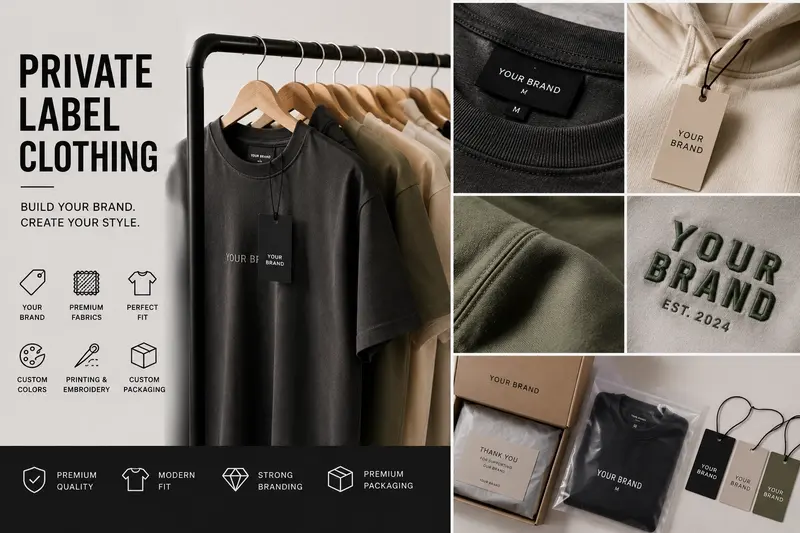
Instead of purchasing generic wholesale products, private label production allows brands to create customized garments using their own:
- Branding
- Labels
- Fabrics
- Colors
- Fits
- Packaging
This gives fashion brands more control over product quality, customer experience, and overall brand positioning.
For startup brands, private label manufacturing also creates opportunities to build a stronger brand identity while developing products that feel more exclusive and premium.
At OEM Fashion, many startup brands use private label production to create custom apparel collections with flexible manufacturing options and personalized product development support.
What Is Private Label Clothing?
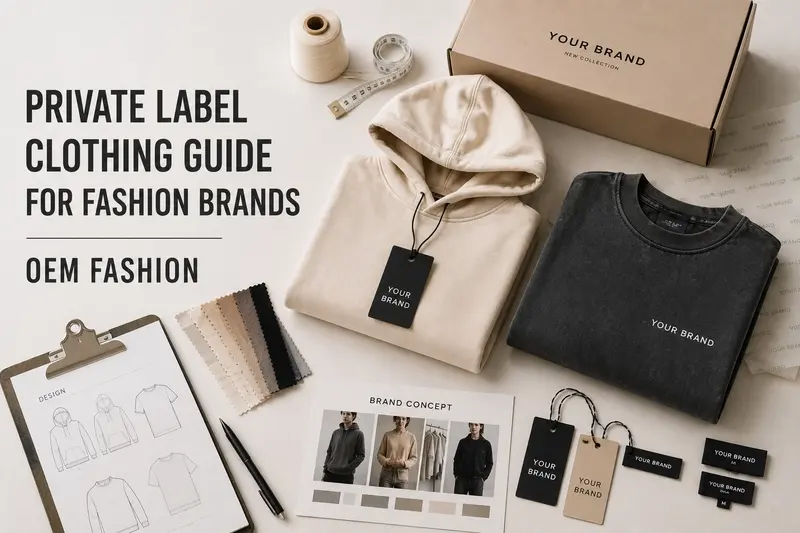
Private label clothing refers to garments manufactured by a supplier but sold under your own brand name.
Instead of selling factory-branded products, brands can customize:
- Neck labels
- Hang tags
- Packaging
- Fabrics
- Colors
- Garment fit
- Printing and embroidery
Private label manufacturing helps brands create products that feel unique rather than generic wholesale apparel.
This is especially important for modern streetwear and fashion brands where branding and product identity play a major role in customer perception.
Private Label Helps Brands Build Stronger Identity
One of the biggest advantages of private label production is stronger brand differentiation.
Modern fashion customers are increasingly looking for:
- Unique products
- Better quality
- Strong branding
- Premium presentation
Private label production allows brands to build more recognizable collections through:
- Custom garment fits
- Personalized branding
- Signature fabric choices
- Consistent packaging
Many successful brands become recognizable because customers associate them with a specific fit, fabric feel, or overall aesthetic.
This is why many startup brands focus heavily on product consistency during development.
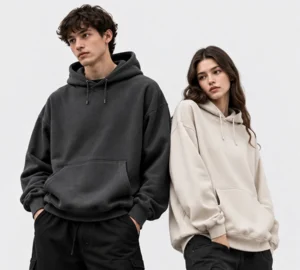
Brands creating oversized basics and elevated essentials often work closely with experienced streetwear manufacturers to refine garment structure and product identity before final production.
Custom Fits Make Products Feel More Premium
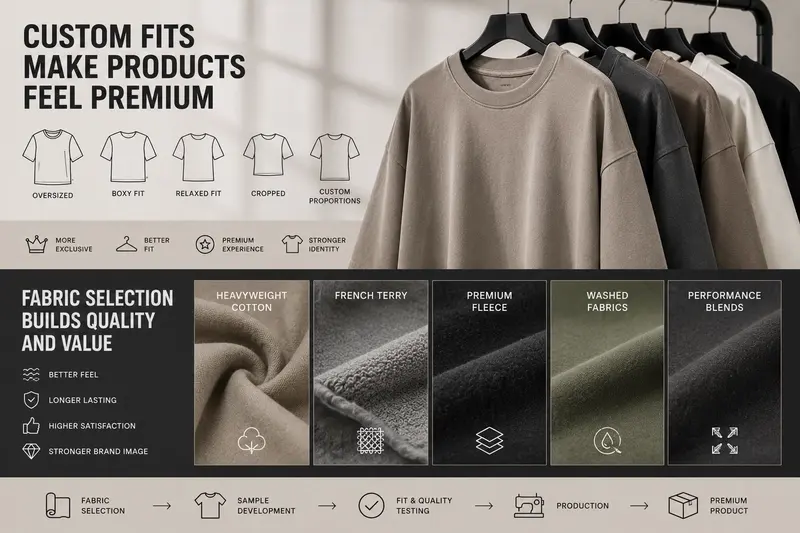
Fit is one of the biggest differences between standard wholesale garments and premium private label products.
Modern fashion brands often develop:
- Oversized silhouettes
- Boxy fits
- Relaxed cuts
- Cropped styles
- Custom proportions
These adjustments help products feel more exclusive and brand-specific.
For example, oversized t-shirts with heavier fabrics and wider proportions usually feel much more premium compared to standard retail blanks.
Brands developing premium basics frequently create custom sizing during sample development to improve product consistency and overall customer experience.
Many brands producing elevated essentials also develop custom collections of oversized t-shirts and matching apparel sets to strengthen their overall visual identity.
Fabric Selection Plays a Huge Role in Private Label Apparel
Fabric quality directly affects:
- Product feel
- Durability
- Customer satisfaction
- Brand positioning
Private label brands usually spend more time selecting fabrics because they want products to feel different from mass-market apparel.
Popular fabric choices include:
- Heavyweight cotton
- French terry
- Premium fleece
- Washed fabrics
- Performance blends
Many modern brands intentionally choose heavier fabrics because customers often associate fabric weight with higher quality.
Strong fabric selection can significantly improve both customer perception and long-term product performance.
Custom Packaging Improves Customer Experience
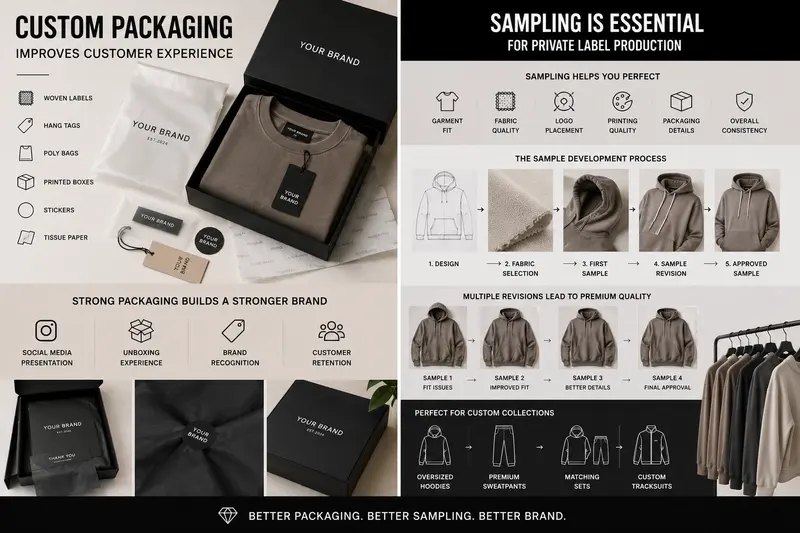
Packaging has become an important part of modern fashion branding.
Private label brands often customize:
- Woven labels
- Hang tags
- Poly bags
- Printed boxes
- Stickers
- Tissue paper
Even small packaging details can make products feel more premium and professional.
Many successful brands focus heavily on presentation because customer experience extends beyond the garment itself.
Strong packaging also helps improve:
- Social media presentation
- Unboxing experience
- Brand recognition
- Customer retention
Sampling Is Essential for Private Label Production
Private label apparel usually requires more product development compared to standard wholesale production.
Sampling allows brands to test:
- Garment fit
- Fabric quality
- Logo placement
- Printing quality
- Packaging details
- Overall product consistency
Most successful fashion brands go through multiple sample revisions before approving final production.
This is especially important for products such as:
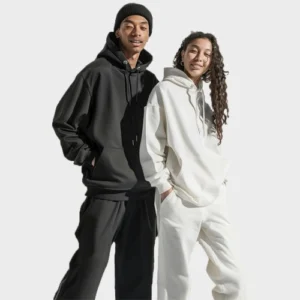
- Oversized hoodies
- Premium sweatpants
- Matching sets
- Custom tracksuits
Brands developing full collections of custom tracksuits and coordinated apparel sets often spend significant time refining sizing and fabric consistency during the sampling process.
Private Label Production Supports Long-Term Brand Growth
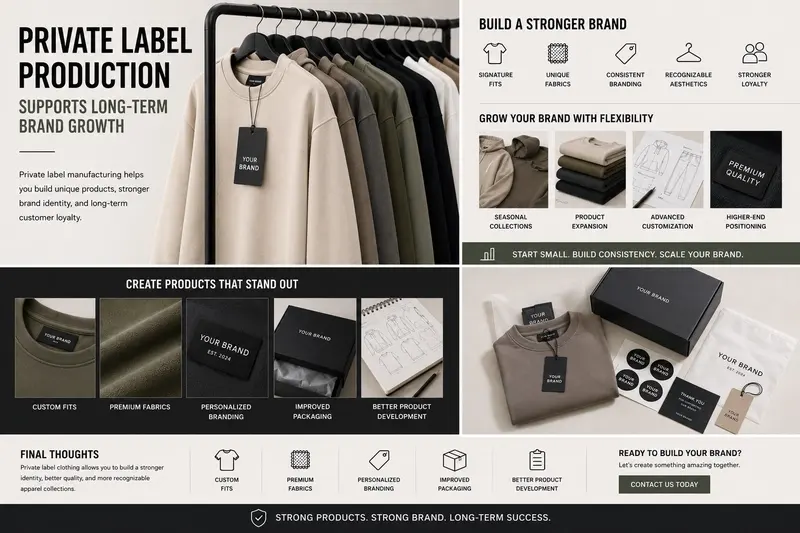
Private label manufacturing helps brands create products that are more difficult for competitors to copy.
Instead of relying on generic blanks, brands can develop:
- Signature fits
- Unique fabrics
- Consistent branding
- Recognizable aesthetics
This helps create stronger customer loyalty and long-term brand identity.
As brands grow, private label production also provides more flexibility for:
- Seasonal collections
- Product expansion
- Advanced customization
- Higher-end product positioning
Many successful fashion brands begin with smaller private label collections before scaling into larger apparel programs.
Final Thoughts
Private label clothing allows fashion brands to build a stronger identity, better product quality, and more recognizable apparel collections.
Instead of relying on generic wholesale garments, brands can create products that feel more unique through:
- Custom fits
- Premium fabrics
- Personalized branding
- Improved packaging
- Better product development
Strong private label production helps improve both customer experience and long-term brand positioning.
Whether you are developing oversized basics, premium streetwear, or coordinated apparel collections, working with experienced custom clothing manufacturers can significantly improve overall product quality and manufacturing consistency.
If you are currently planning a new private label apparel collection, feel free to contact us to discuss custom manufacturing solutions for your brand.
FAQs
What is private label clothing?
Private label clothing refers to apparel manufactured by a supplier but sold under your own brand name with customized branding and product details.
What is the difference between wholesale and private label apparel?
Wholesale products are usually pre-made generic garments, while private label products are customized specifically for your brand.
Why is private label clothing popular for streetwear brands?
Private label production allows brands to create unique fits, fabrics, and branding that help products feel more exclusive and premium.
Can startup brands use private label manufacturing?
Yes. Many manufacturers now support low MOQ private label production for startup brands and smaller fashion businesses.
Why is sampling important for private label apparel?
Sampling helps brands refine fit, fabrics, branding, and product quality before moving into bulk production.
Share With
Related Articles


Hot Products