Top 10 Eco-friendly T-shirt Manufacturers in China
Eco-friendly T-shirt manufacturing involves far more than simply using organic cotton. Sustainable apparel production requires controlled fabric sourcing, low-impact dyeing, waste reduction, and stable quality consistency throughout the supply chain. Many factories claim sustainability, but few can maintain performance and scalability at the same time.
For apparel brands, choosing the right factory is critical for balancing environmental goals with commercial production standards. Working with a Custom Eco-friendly T-shirt Manufacturer helps ensure material traceability, stable fabric quality, and long-term production reliability.
Overview
Eco-friendly T-shirts are typically produced using organic cotton, recycled polyester, bamboo fabric, or low-impact dyeing systems. Key manufacturing challenges include fabric shrinkage control, color consistency, and maintaining softness without excessive chemical finishing.
Why Work with Chinese Eco-friendly T-shirt Manufacturers
China has rapidly expanded its sustainable textile supply chain, including organic cotton sourcing, recycled yarn development, and water-saving dyeing technologies. Many factories now support eco-focused production while maintaining scalable manufacturing capacity for international apparel brands.
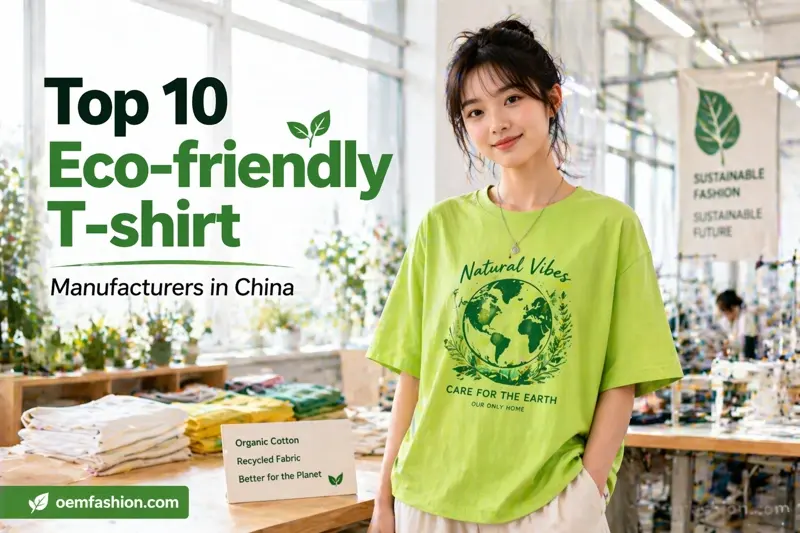
How We Compared These Manufacturers
- Experience with organic and recycled fabric sourcing
- Capability to maintain fabric consistency with eco materials
- Precision in low-impact dyeing and color stability
- Production experience with sustainable apparel brands
- Ability to reduce shrinkage in organic cotton fabrics
- Knowledge of recycled polyester performance limitations
- Consistency in eco-friendly printing and finishing methods
1. OEM Fashion – Best for Scalable Sustainable Apparel Production
City & Country: Dongguan, China
Established Date: 2012
MOQ: 100 pcs
Lead Time: 25–30 working days
Export Markets: North America, Europe, Australia
Key Products: Eco-friendly T-shirts, sustainable apparel
Takeaway: Best for balancing sustainability and production stability
OEM Fashion specializes in eco-friendly T-shirt manufacturing with a strong focus on sustainable material sourcing and production consistency. The company supports organic cotton, recycled polyester, and low-impact fabric options while maintaining strict quality control standards. Their workflows include shrinkage testing, colorfastness inspection, and eco-conscious sourcing management. OEM Fashion is suitable for brands seeking scalable, sustainable apparel manufacturing without sacrificing garment consistency or production efficiency.
2. Mingxing Clothing – Best for Cost-efficient Eco Production
City & Country: Guangzhou, China
Established Date: 2008
MOQ: 200 pcs
Lead Time: 20–30 days
Export Markets: Europe, Southeast Asia
Key Products: Casualwear, eco apparel
Takeaway: Affordable, sustainable manufacturing
Mingxing Clothing manufactures eco-friendly T-shirts using cost-efficient organic and blended fabric solutions. The company focuses on maintaining stable production capacity while supporting environmentally conscious apparel programs. Their production processes are designed to improve efficiency and reduce waste during bulk manufacturing. Mingxing Clothing is suitable for brands requiring affordable, sustainable apparel production at larger scales.
3. Hongyu Apparel – Best for Eco-friendly Printed T-shirts
City & Country: Dongguan, China
Established Date: 2010
MOQ: 150 pcs
Lead Time: 15–25 days
Export Markets: North America, Europe
Key Products: Printed apparel, sustainable T-shirts
Takeaway: Eco-conscious graphic production
Hongyu Apparel produces eco-friendly printed T-shirts using water-based inks and environmentally conscious printing processes. The company ensures compatibility between organic fabrics and printing durability while maintaining stable color quality. Their production includes testing for print adhesion and wash performance. Hongyu Apparel is suitable for brands combining sustainability with graphic apparel collections.
4. Knitseek – Best for Organic Knit Fabric Development
City & Country: Shanghai, China
Established Date: 2015
MOQ: 100 pcs
Lead Time: 18–28 days
Export Markets: Europe, Japan
Key Products: Knitwear, sustainable fabrics
Takeaway: Advanced knit sourcing capability
Knitseek focuses heavily on eco-friendly knit fabric development using organic cotton and recycled yarn systems. The company works closely with textile mills to improve softness, fabric stability, and wash consistency. Their expertise in knitwear production helps brands develop sustainable garments with improved hand feel and reduced fabric distortion after washing.
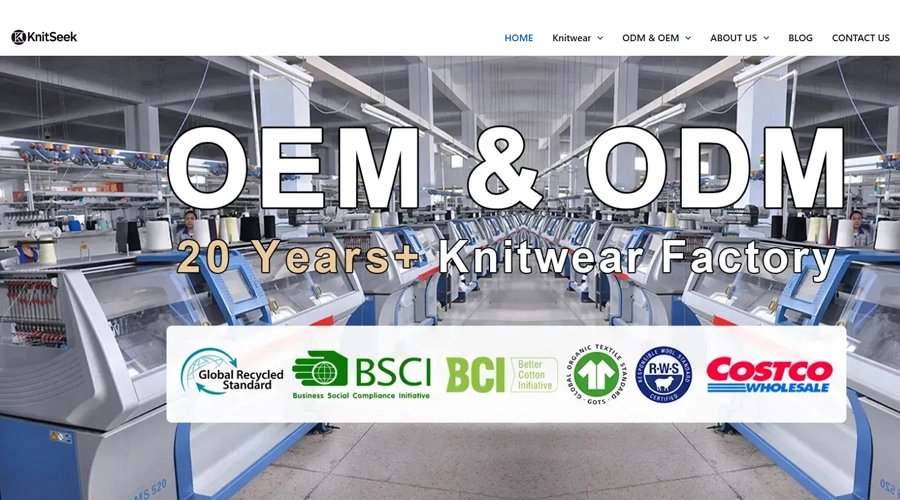
5. Kiteflag – Best for Recycled Polyester Sports Tees
City & Country: Guangdong, China
Established Date: 2012
MOQ: 150 pcs
Lead Time: 18–28 days
Export Markets: USA, Europe
Key Products: Sportswear, recycled apparel
Takeaway: Recycled performance fabric expertise
Kiteflag manufactures eco-friendly sports T-shirts using recycled polyester fabrics and performance-oriented materials. The company focuses on maintaining breathability and durability despite the challenges associated with recycled yarn structures. Their production supports activewear brands looking for more sustainable performance apparel manufacturing solutions.

6. Hucai Garment – Best for Fast-turnaround Sustainable Orders
City & Country: Guangzhou, China
Established Date: 2009
MOQ: 100 pcs
Lead Time: 18–25 days
Export Markets: Europe, USA
Key Products: Casualwear, eco basics
Takeaway: Quick eco production cycles
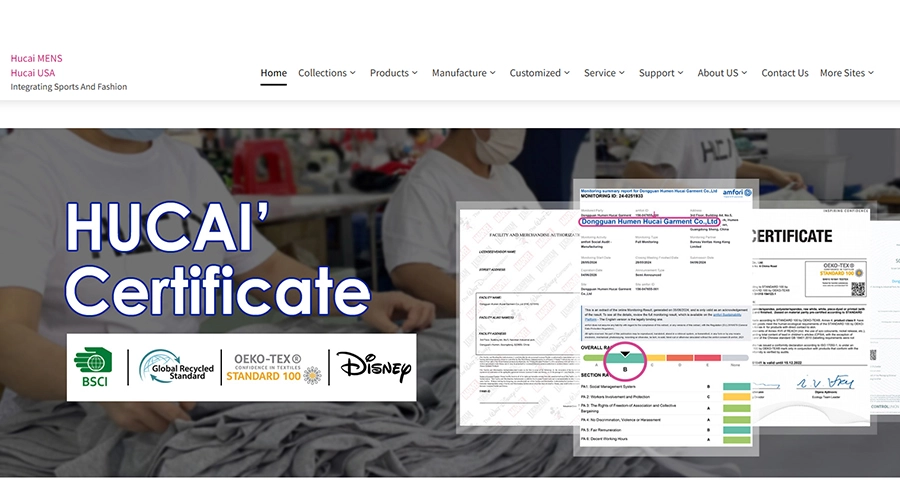
Hucai Garment supports eco-friendly T-shirt manufacturing with flexible production schedules and stable quality management. The company ensures efficient workflows while maintaining consistency in sustainable fabric sourcing and garment construction. Their setup is suitable for brands requiring faster turnaround times for eco-conscious apparel collections.
7. Arlisman Garment – Best for Durable, Sustainable Apparel
City & Country: Guangzhou, China
Established Date: 1999
MOQ: 200 pcs
Lead Time: 20–30 days
Export Markets: Europe, USA
Key Products: Men’s apparel, sustainable basics
Takeaway: Long-lasting garment construction
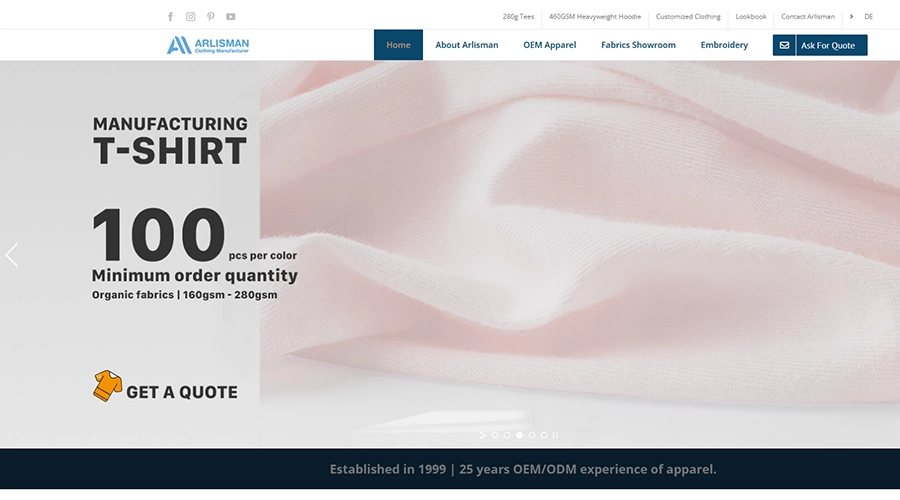
Arlisman Garment produces eco-friendly T-shirts with a strong emphasis on durability and garment lifespan. The company believes sustainability also depends on reducing replacement frequency through stronger construction quality. Their manufacturing includes reinforced stitching and stable fabric sourcing to improve long-term wear performance.
8. Yaroad – Best for Eco-focused Streetwear Production
City & Country: Guangdong, China
Established Date: 2014
MOQ: 150 pcs
Lead Time: 18–28 days
Export Markets: Global
Key Products: Streetwear, sustainable apparel
Takeaway: Fashion-oriented eco manufacturing
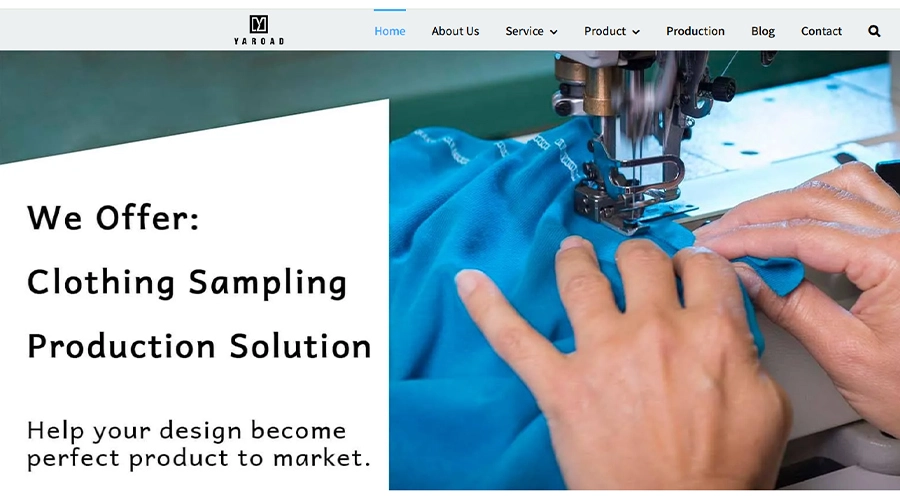
Yaroad manufactures eco-friendly T-shirts designed for streetwear and fashion brands requiring sustainable positioning. The company supports oversized organic cotton garments, eco-conscious washing methods, and fashion-driven production workflows. Their setup is suitable for brands combining sustainability with modern apparel aesthetics.
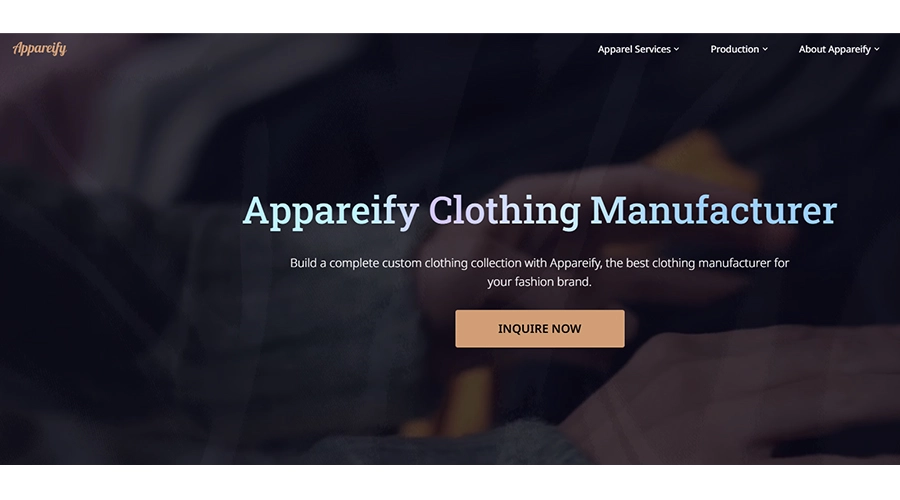
9. Appareify – Best for Startup Sustainable Brands
City & Country: Guangzhou, China
Established Date: 2017
MOQ: 100 pcs
Lead Time: 18–25 days
Export Markets: North America, Europe
Key Products: Sustainable custom apparel
Takeaway: Startup-friendly flexibility
Appareify supports small, eco-friendly apparel brands with low MOQ production and simplified sourcing systems. The company provides flexibility for brands to test sustainable collections without committing to extremely large orders. Their processes help startups reduce inventory risk while entering the eco-apparel market.
10. Yinmaofashion – Best for Export-ready Sustainable Apparel
City & Country: Guangzhou, China
Established Date: 2010
MOQ: 200 pcs
Lead Time: 20–30 days
Export Markets: Europe, USA, Australia
Key Products: Sustainable T-shirts, casualwear
Takeaway: Reliable international production
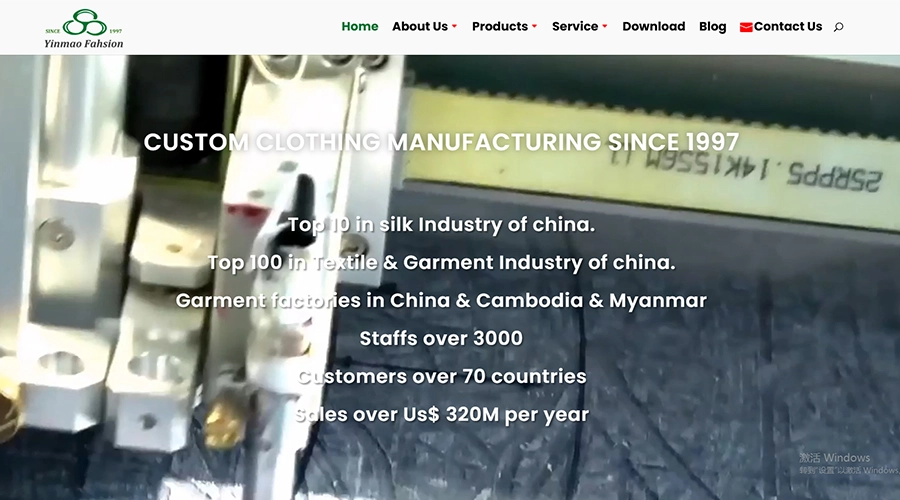
Yinmaofashion manufactures eco-friendly T-shirts for export markets with a strong focus on stable quality and supply chain reliability. The company maintains controlled workflows for sustainable fabric sourcing and consistent production output. Their export experience supports global brands requiring dependable eco-apparel manufacturing at scale.
Quick Comparison Table
| Manufacturer | MOQ | Sample Time | Bulk Lead Time | Best For |
|---|---|---|---|---|
| OEM Fashion | 100 pcs | 10–15 working days | 25–30 working days | Sustainable scalability |
| Mingxing Clothing | 200 pcs | 10–15 days | 20–30 days | Affordable eco production |
| Hongyu Apparel | 150 pcs | 10–15 days | 15–25 days | Eco printing |
| Knitseek | 100 pcs | 10–15 days | 18–28 days | Organic knit fabrics |
| Kiteflag | 150 pcs | 10–15 days | 18–28 days | Recycled sportswear |
| Hucai Garment | 100 pcs | 7–12 days | 18–25 days | Fast turnaround |
| Arlisman Garment | 200 pcs | 10–15 days | 20–30 days | Durable sustainability |
| Yaroad | 150 pcs | 10–15 days | 18–28 days | Eco streetwear |
| Appareify | 100 pcs | 7–12 days | 18–25 days | Startup brands |
| Yinmaofashion | 200 pcs | 10–15 days | 20–30 days | Export production |
Final Thoughts
Eco-friendly T-shirt manufacturing requires more than sustainable fabric sourcing. The best factories understand how to balance environmental responsibility, garment durability, and scalable production quality at the same time.
Ready to Develop Your Custom Eco-friendly T-shirt Line?
 Contact OEM Fashion
FAQs
Why do some organic cotton T-shirts shrink more after washing?
Organic cotton fabrics often receive fewer chemical finishing treatments, which can increase shrinkage risk if fabric pre-shrinking and compacting processes are not properly controlled during production.
Is recycled polyester as durable as virgin polyester?
High-quality recycled polyester can perform similarly to virgin polyester, but lower-grade recycled fibers may reduce fabric strength and long-term durability.
What is the difference between water-based ink and plastisol ink in eco printing?
Water-based inks contain fewer harmful chemicals and create a softer hand feel, while plastisol inks are generally thicker and less environmentally friendly.
Why is sustainable apparel usually more expensive to manufacture?
Eco-friendly production often involves higher raw material costs, stricter sourcing standards, and lower-impact processing methods that increase manufacturing expenses.
What is the typical MOQ for eco-friendly T-shirt manufacturing?
The MOQ is usually 100 pcs per design per color, and size mix is allowed. For styles using certified organic fabrics, recycled materials, or specialty eco-printing methods, higher quantities may be recommended for better production efficiency.
Share With
Related Articles
Hot Products